The History of CeraVe
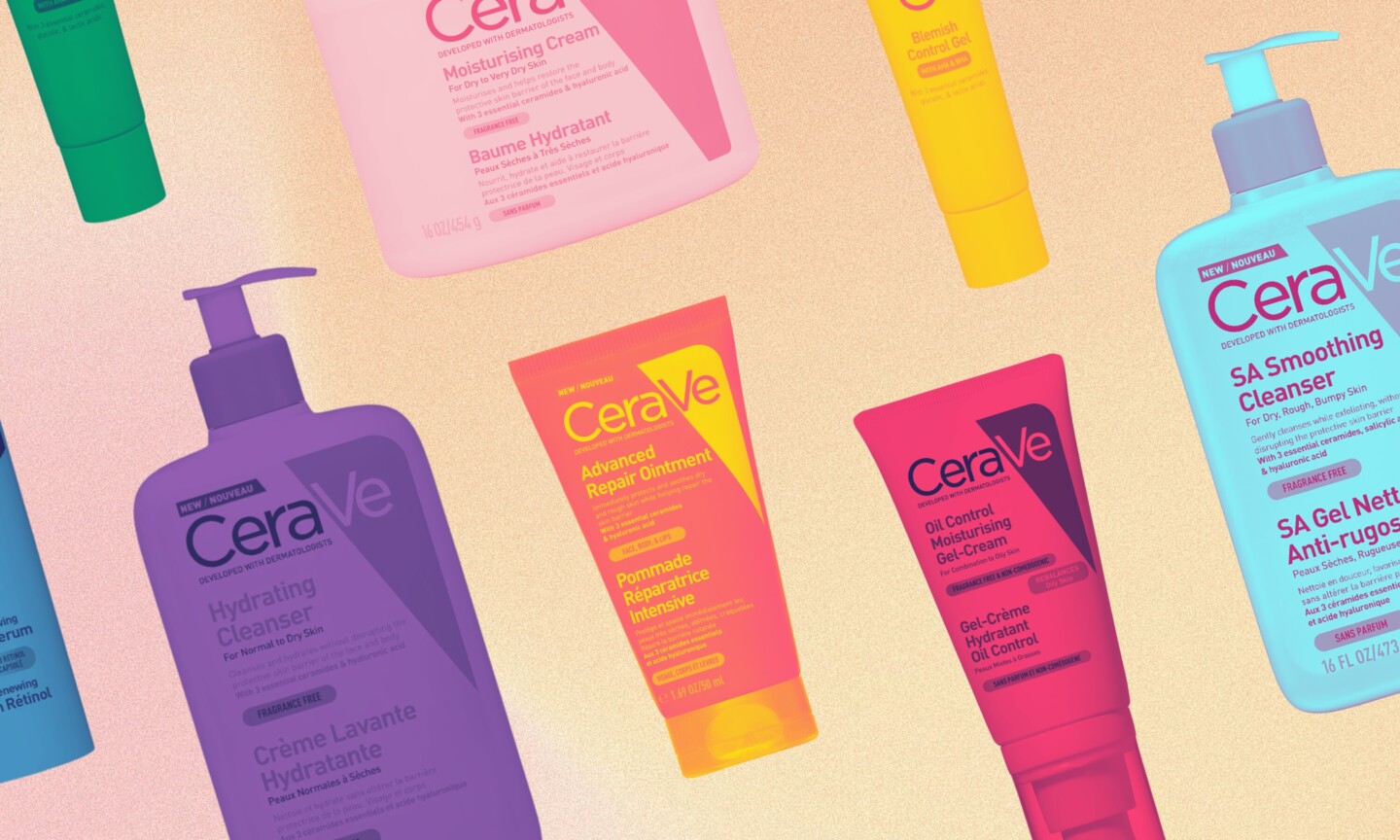
CeraVe’s rise has been notably understated. Eschewing hype and celebrity endorsements, the American skincare brand built its reputation quietly through clinical credibility, professional trust, and formulas that simply worked. Grounded in dermatological research, it reframed practicality as intent, establishing a new standard for skincare that is effective, accessible, and rigorously science-led.
The brand’s story begins in 2005, rooted in a refreshingly practical realisation. A small group of US dermatologists began noticing a pattern in their patients. They were treating acne, eczema, psoriasis, and persistent dryness, all very different on the surface, yet time and again, the root cause turned out to be the same: a weakened skin barrier. Rather than tackling symptoms in isolation, they shifted focus to the common thread — supporting the skin barrier itself.
The brand launched with a tight edit of barrier-supporting essentials, including its Moisturizing Lotion, Hydrating Cleanser, and the iconic Moisturizing Cream, which remains a bestseller for the brand. There was no fluff, no perfume, and no impossible promises. Those three products set the tone for everything that came after, and, over two decades later, that same barrier focus runs through a lineup close to 90 products worldwide.
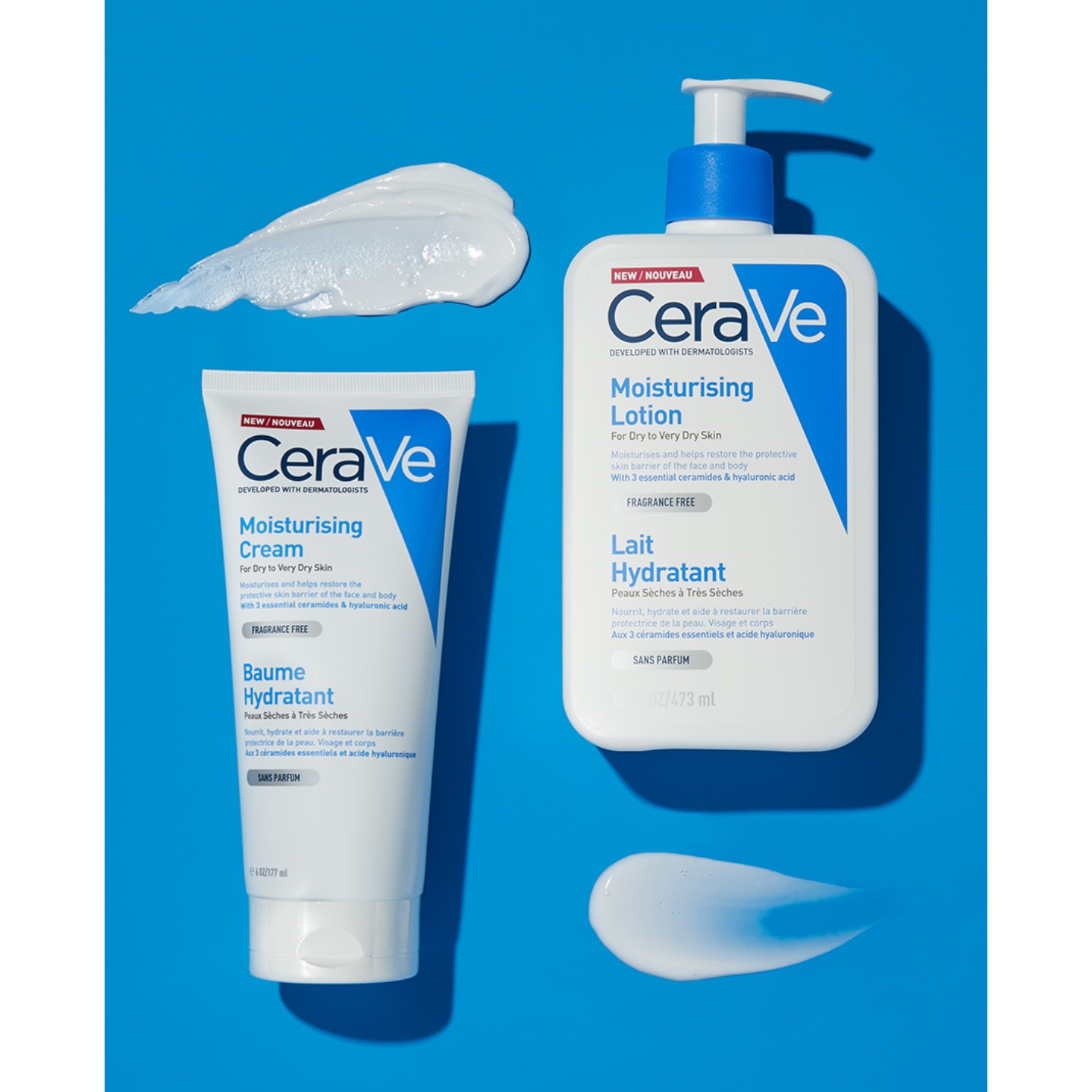
“Science has proven that dry skin occurs as a result of the breakdown of your natural skin barrier. Traditional moisturisers are comprised of ingredients such as humectants, which attract water to the skin, and emollients (the oily layer that sits on top of the skin to stop water escaping),” explains Tom Allison, co-founder and Vice President of Professional Marketing at CeraVe. “These can be effective, but they don’t directly address the compromised skin barrier which may have caused dry or irritated skin in the first place. To do that, you need to add ceramides which will help to restore the skin barrier function.”
Ceramides are, essentially, the lipids (the fats) that keep your skin barrier intact. Around half of the outer layer of your skin is made up of them. Their job is fairly simple: keep water in and stop things that shouldn’t be there from getting in. When that system slips — after a cold snap, too many acids, or just general wear and tear — skin struggles to hang on to moisture. Dryness and sensitivity tend to follow not long after. CeraVe’s whole concept is built around replacing those lipids with a mix that closely mirrors what healthy skin makes on its own. It’s simple science, but it works.
CeraVe uses three main ceramides (1, 3, and 6‑II) which tend to be depleted in dry or compromised skin. They’re mixed with other hydrating ingredients to make formulas that keep skin feeling balanced and less reactive.
Hydration delivery was approached with equal precision. CeraVe developed MultiVesicular Emulsion (MVE) technology to release ingredients gradually rather than in a single surge, allowing moisture to be replenished throughout the day instead of fading shortly after application.
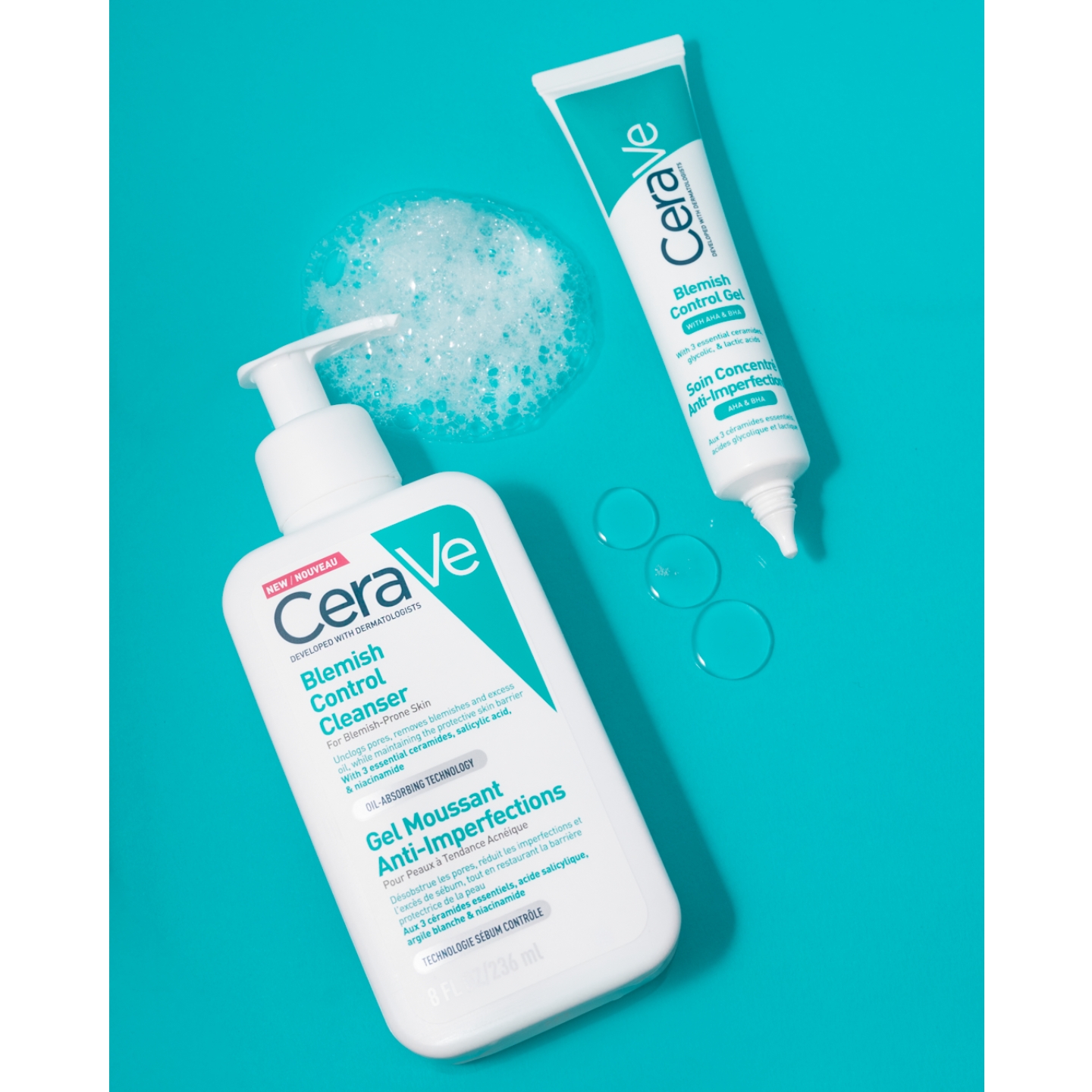
The formulas themselves keep things deliberately simple. They’re fragrance-free, paraben-free, allergy-tested, and non-comedogenic, making them well suited to sensitive or easily disrupted skin. A number of products have also received the Seal of Acceptance from the American National Eczema Association, reinforcing the brand’s strong dermatological credentials.
In 2017, CeraVe was acquired by L’Oréal for $1.3 billion, accelerating its global expansion. Despite the buyout, the brand has retained its original, dermatologist‑developed ethos — one that has delivered tenfold growth since launch, with global sales exceeding $2 billion in 2024.
You’ll find the brand on shelves at Boots and Superdrug in the UK and stocked everywhere from Ulta Beauty to CVS across the US.