The History of Sol de Janeiro
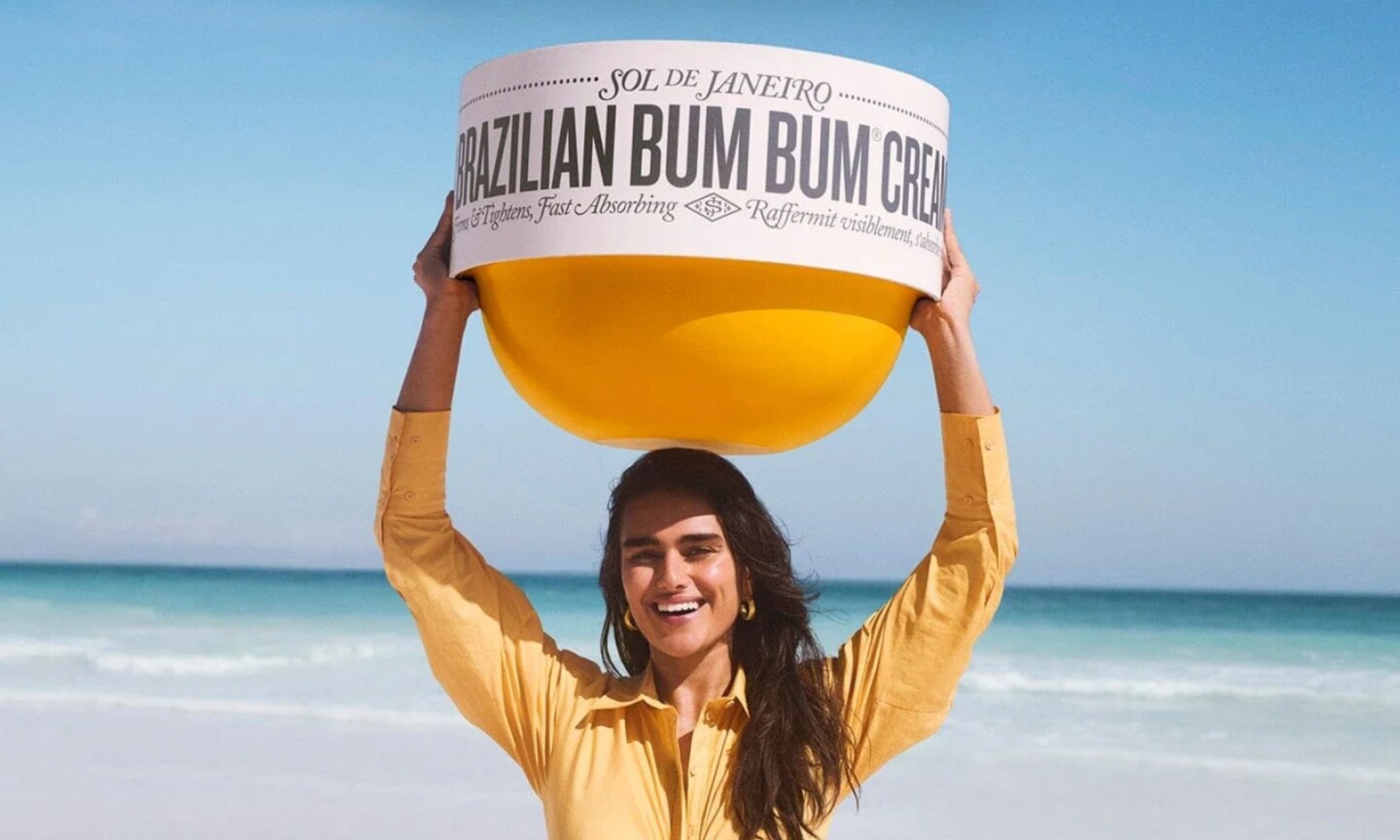
Sol de Janeiro didn’t become a cult name by promising to fix a beauty hangup. It grew because it gave people permission to enjoy their body, indulge in self-care, and smell so good that confidence is a given.
That philosophy sits at the heart of the brand’s origin story, which began at a beach in Brazil.
The Tiny Bikini Moment That Started It All
Before launching Sol de Janeiro, founder and CEO Heela Yang followed a more traditional beauty path, working with major players such as Lancôme and Clinique. In 2014, she moved to Rio de Janeiro for her husband’s job — a relocation she has since described as a defining pivot.
The timing mattered. Yang was pregnant, navigating body confidence in a new season of life, and suddenly immersed in a beach culture that challenged everything she’d absorbed about ‘ideal’ beauty. What stood out wasn’t a look: it was an attitude. On the sand, confidence didn’t appear reserved for a single body type. Women of all shapes, sizes, and skin tones seemed to take up space without negotiating with it first.
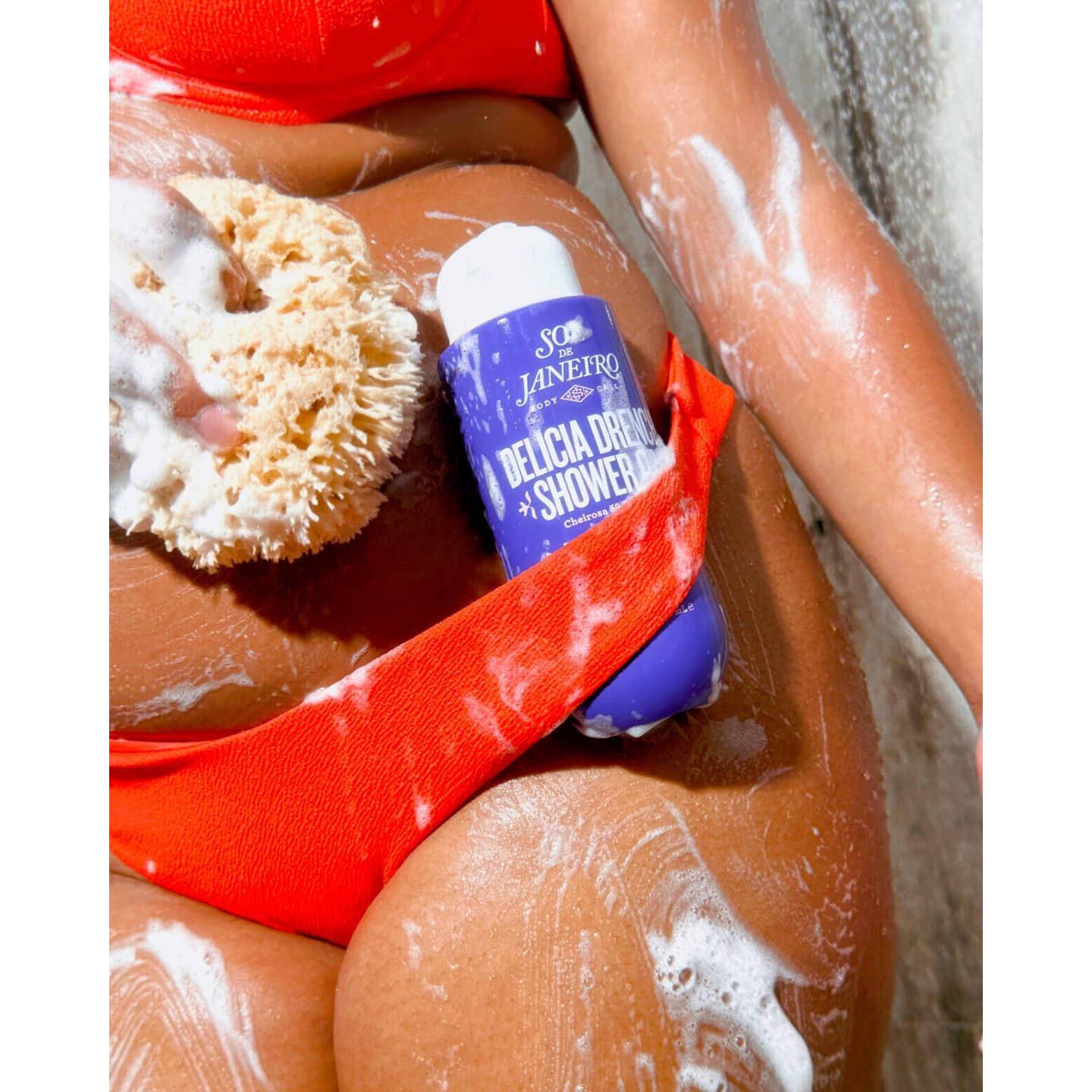
Yang has recalled being at her heaviest, yet feeling oddly free in what she calls the tiniest bikini. That contrast became the spark. What she brought home wasn’t a hack or a trend forecast, but a reframing of beauty as a feeling you practise, not a standard you chase.
When a Feeling Fuelled a Business Idea
That Brazilian lesson became Sol de Janeiro’s foundation. With co-founders Marc Capra and Camila Pierotti (who is from Rio), Yang set out to translate that warmth (the inclusivity, the joy, the unapologetic energy) into a bodycare brand built around celebration rather than correction. The mantra the brand repeats is blunt for a reason: Love it. Flaunt it. You’ve got it.
Yang has described the mission as an obsession — to spread the non-judgement and body confidence she felt in Brazil, then turn that emotion into something you could build into your routine.
The Premium Bodycare Gamble
Sol de Janeiro launched in summer 2015 with three products. At the time, even in prestige beauty, bodycare was often treated as the practical bit, a replenishment purchase, not the main character. Yang has acknowledged that the category didn’t look like the obvious commercial bet then, and that if the team had listened only to the numbers, they might never have launched.
Instead, the brand positioned bodycare as sensorial and mood-led — the step you look forward to, not the one you do on autopilot.
The Hero Product That Defined the Brand
Every breakout brand has a product that does the early heavy lifting. For Sol de Janeiro, it was Brazilian Bum Bum Cream, a hero that helped define the brand’s signature.
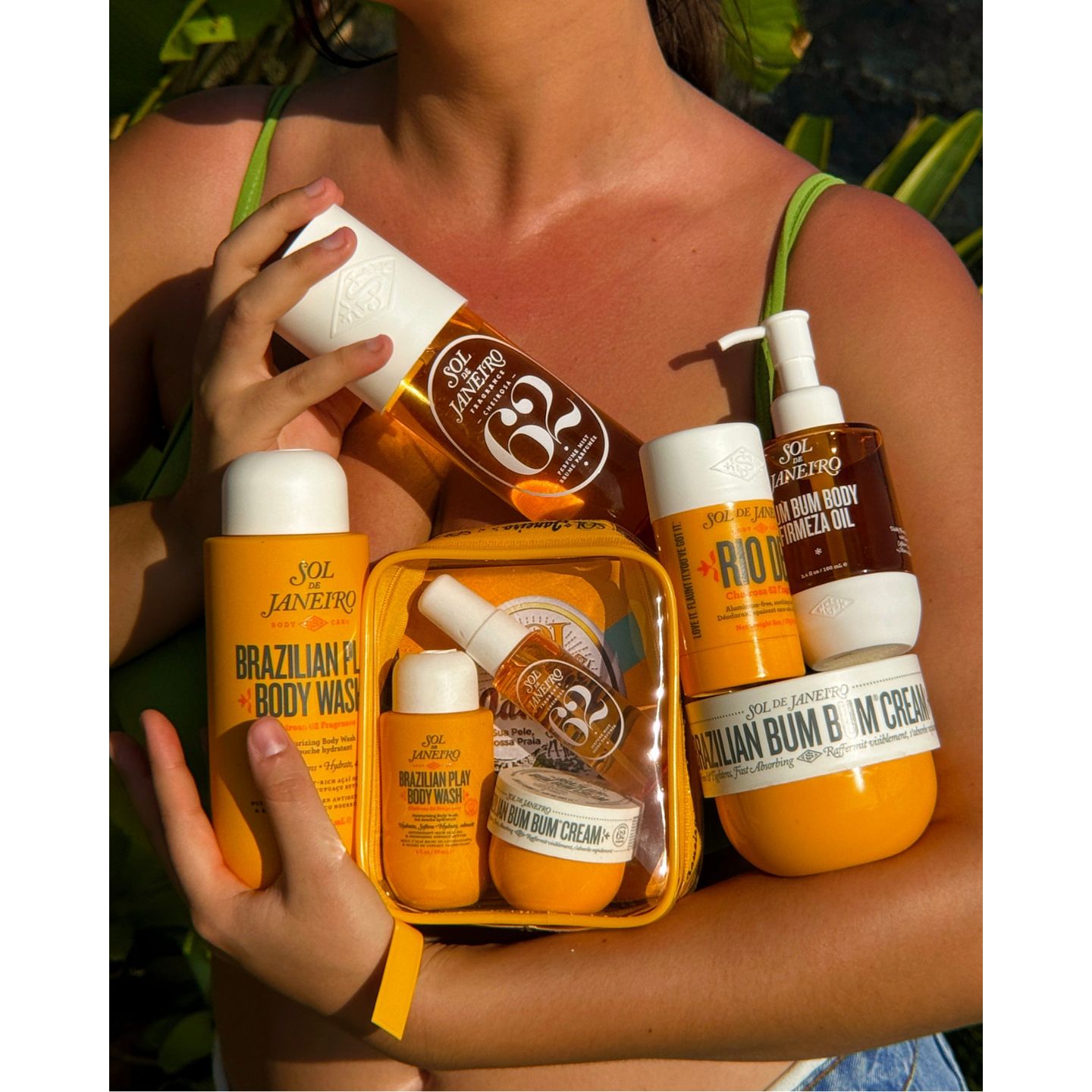
Scent was the strategy inside the strategy. Yang has said she developed the cream in her dining room at a time when luxury bodycare didn’t often lean gourmand. Sol de Janeiro did this in a big way, anchoring its identity to the pistachio-and-vanilla scent that is now instantly recognisable.
This is also where the brand’s language became part of the product. Sol de Janeiro named its inaugural fragrance Cheirosa 62 after cheirosa, a Brazilian Portuguese term that roughly translates to ‘you smell delicious’. From the very first scent, that idea shaped the brand’s approach: fragrances that sit close to the skin, linger in hair and clothes, and feel social rather than formal.
Expansion, Investment, and Billion-Dollar Success
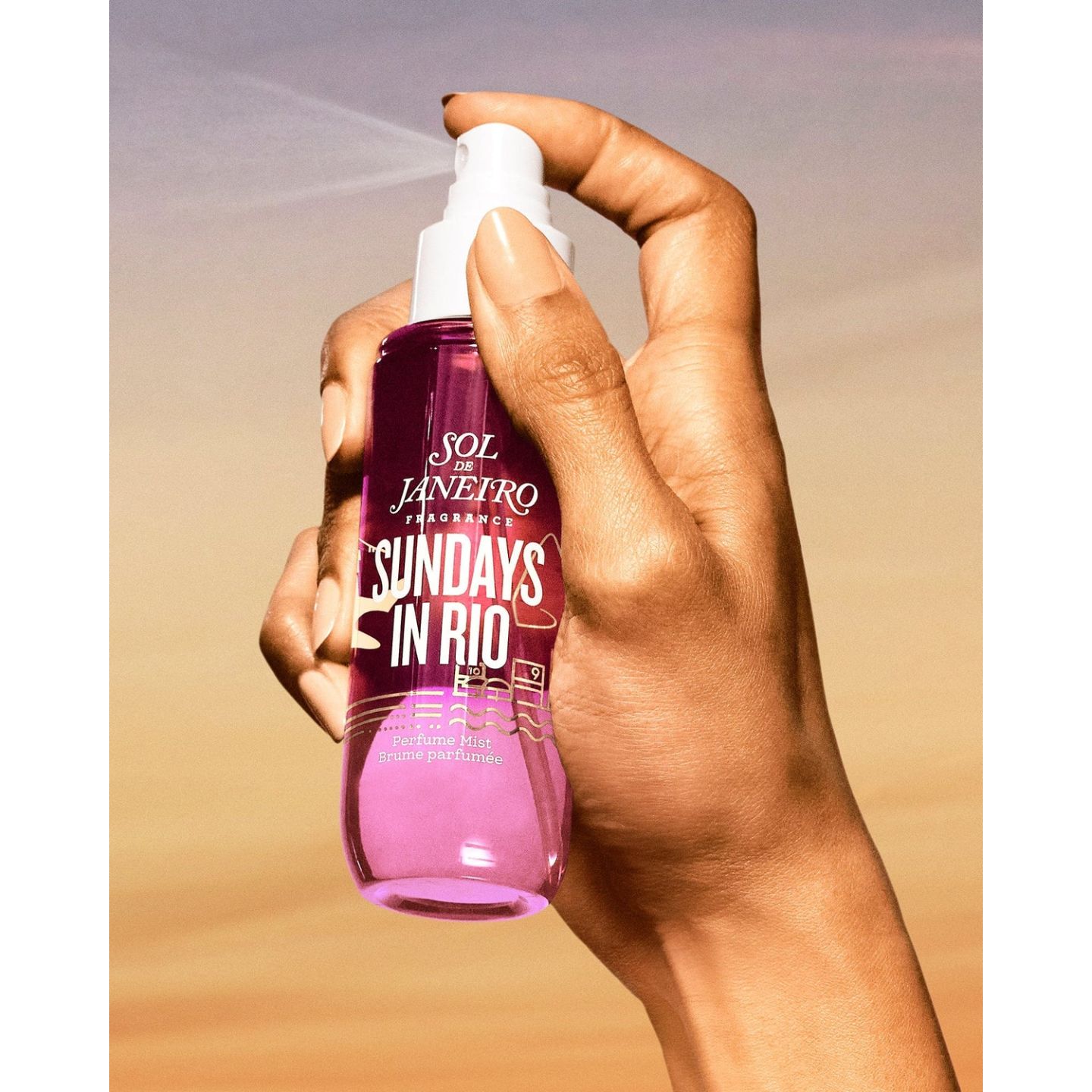
About a year after launch, Sol de Janeiro entered Sephora, which helped push premium bodycare further into the spotlight. In 2017, the brand expanded its scent universe with perfume mists, a move that would later become its biggest gateway, particularly for younger consumers.
In mid-2019, Prelude Growth Partners made a minority investment, frequently described as the brand’s only institutional backing pre-exit. In November 2021, Groupe L’Occitane announced it would acquire an 83% indirect interest in Sol de Janeiro, making the brand a majority-owned subsidiary.
By 2023, Sol de Janeiro’s fragrance sprays had become a defining viral beauty moment, with consumers treating them less like a traditional body spray and more like a collectible scent wardrobe. In 2024, Time reported that the popularity of the mists (notably Cheirosa 68 and 62) alongside large-scale influencer amplification helped drive sales past $1 billion.
Today, the cult brand has built a rich portfolio across body, hair, and fragrance, alongside merch created for its most devoted fans. Facial skincare feels like the obvious next chapter — if Sol de Janeiro chooses to take it there.
Sol de Janeiro is stocked at Space NK, John Lewis, and Boots in the UK, and at Sephora, Ulta Beauty, and Target across the US.