The History of The Ordinary
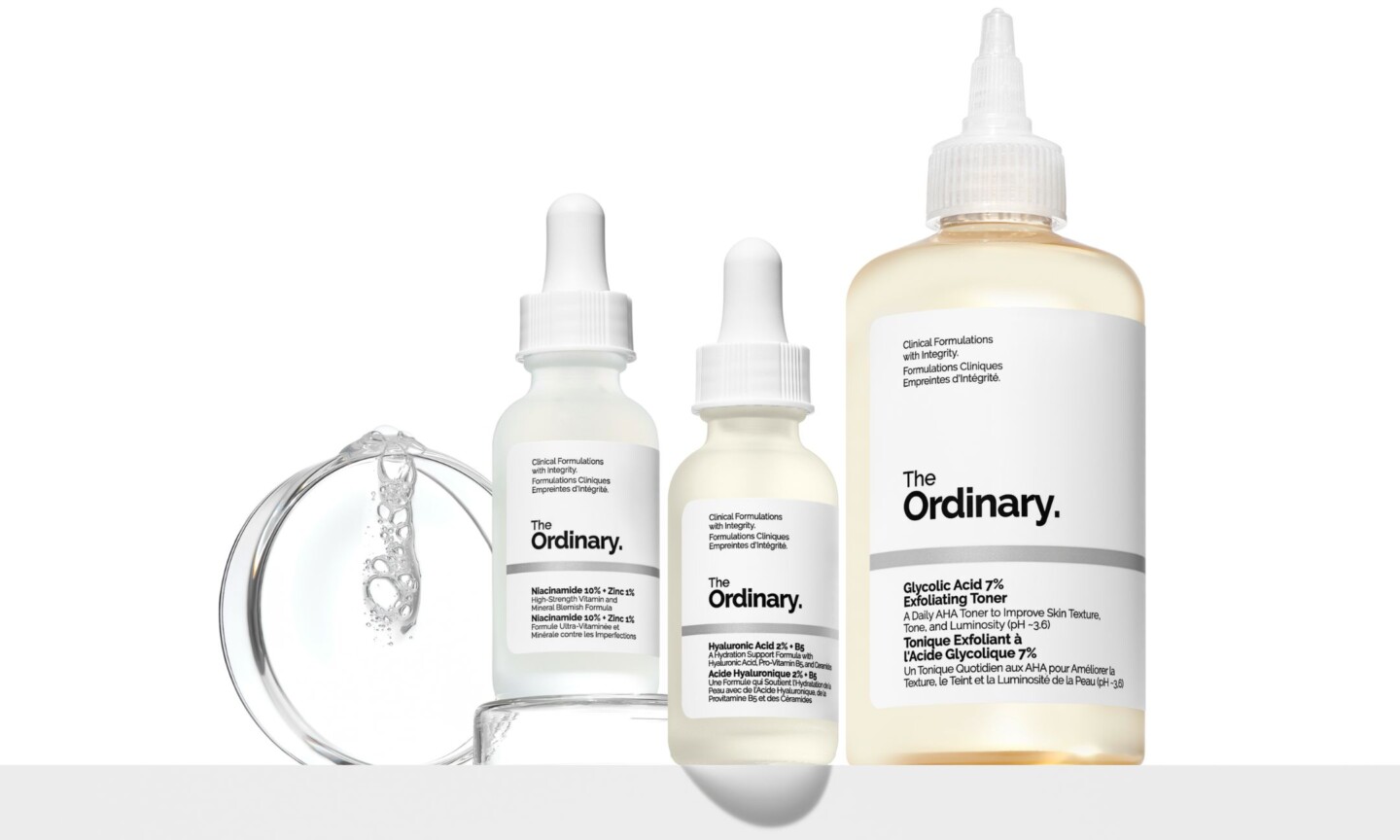
It is difficult to remember now, in an era where every cleanser seems to be barrier-supporting and most serums come with a spreadsheet of actives, but The Ordinary arrived as something close to a provocation. Its bottles looked like lab samples. Its names read like ingredients lists. And its pricing made clinical-sounding skincare feel unexpectedly affordable.
Ironically, it was The Ordinary’s refusal to perform like a traditional beauty brand that elevated it to the top shelf, with its unwavering focus on clarity, efficacy, and accessibility — even rewriting how mainstream brands now talk about, and market, skincare.
The Parent Company That Made It Possible
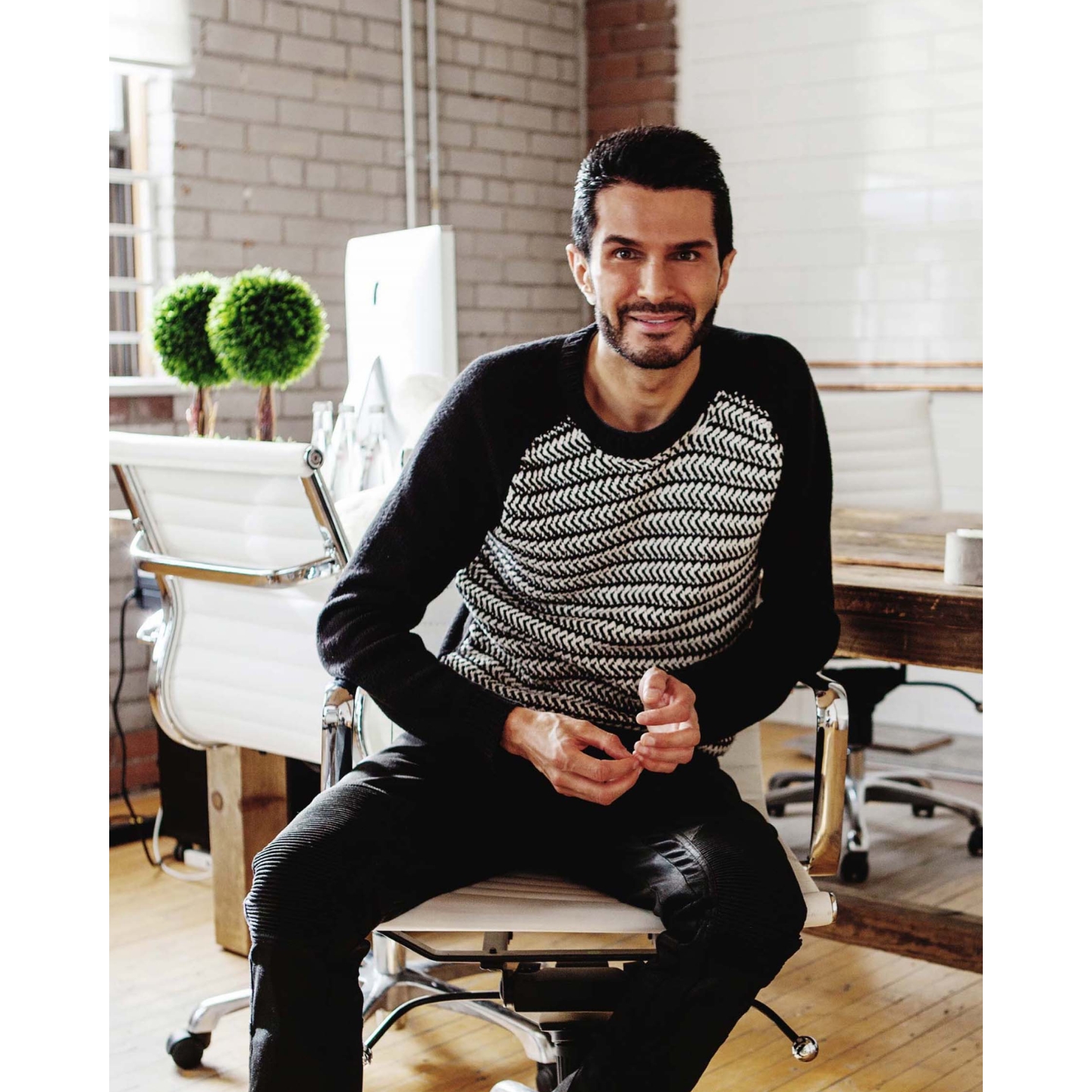
The Ordinary was developed under Deciem, the Toronto-based beauty company founded in 2013 by Brandon Truaxe, an industry visionary who had previously launched Euoko and Indeed Labs, the latter best known for its viral Nanoblur primer. Truaxe built Deciem alongside co-founders Pasquale Cusano and Nicola Kilner.
From the start, Deciem’s operating model was as integral as its product philosophy. The company was built for speed; so much so that its name, drawn from the Latin word for ten, reflected its early ambition to launch ten brands at once. To achieve this, Deciem brought almost everything in-house, from product development and manufacturing to marketing and even software, ensuring innovation wasn’t slowed by the usual layers of beauty-industry bureaucracy.
But the point of doing so much in-house wasn’t only pace; it was cost. In traditional beauty manufacturing, the price climbs through multiple handoffs and margins — supplier mark-ups, manufacturer mark-ups, distributor mark-ups, and retailer mark-ups — with the brand’s own premium on top. Deciem’s model aimed to strip out those layers, so the customer wasn’t paying for a long chain of mark-ups. It also meant the brand could operate at a very accessible price point, delivering high-performance actives at a fraction of what had become standard.
The Ordinary Is Born
Deciem launched The Ordinary in August 2016 with an impressive 27-product lineup, including several formulas that remain bestsellers nearly a decade later: Hyaluronic Acid 2% + B5 for skin-plumping, multi-depth hydration; Glycolic Acid 7% Exfoliating Toner for smoothing and brightening; Niacinamide 10% + Zinc 1% for oil-balancing and refining the look of pores; and Azelaic Acid Suspension 10% for clarifying and evening tone.
The brand promised clinical formulations with integrity, a phrase that evoked seriousness, but also critiqued a category that, at the time, often leaned on suggestion and soft-focus language.
The Ordinary’s hook was not that actives were new. It was that the brand treated customers like they could read, compare, and decide. Its formulas were framed with unusual directness, and its minimalist, monochrome packaging was easy to understand. Aspiration wasn’t the angle here. Interpretability was. And this strategy paid off, with the brand inspiring a new kind of customer: one that was more sceptical, better informed, and increasingly unwilling to pay a premium for skincare.
Early Momentum
The Ordinary didn’t just sell skincare; it made education central to the buying experience through routine recommendations, layering guidance, and ingredient-led information built into its product pages — positioning the brand as both supplier and translator.
That approach quickly began to pay off in retail. Although the brand initially launched exclusively through direct-to-consumer channels, by December 2017 it was available online at Sephora and Beautylish in the US and Canada, and Victoria Health and ASOS in the UK — shifting The Ordinary from cult secret to an effortless addition to your shopping basket.
In 2017, Estée Lauder Companies took a minority stake in Deciem.
A Brand in Crisis
In October 2018, Deciem entered a public, chaotic period. Following months of erratic Instagram posts, Truaxe announced the company was shutting down, citing “major criminal activity” within the business — a claim that was never substantiated. Around the same time, products were temporarily pulled from Sephora and Beautylish. As a result, Estée Lauder intervened legally, Truaxe was removed from control, and Nicola Kilner stepped in to stabilise the business as interim CEO.
For The Ordinary, it was a defining moment in a very modern sense: a brand built on transparency was suddenly being watched in real time as the company behind it went into crisis. And yet, the fact that the products stayed on shelves, the formulas didn’t change, and the brand didn’t vanish arguably strengthened what The Ordinary had come to represent for customers — reliability.
In January 2019, Truaxe died aged 40. It marked the end of the founding chapter, and the beginning of a more operational, less personality-led era.
From Challenger Brand to Category Heavyweight
By mid-2019, The Ordinary was back online at Sephora and had secured major retail partnerships with Ulta Beauty in the US and Boots in the UK. The brand was no longer niche, but a mainstay — the kind you could pick up alongside shampoo and mascara, safe in the knowledge you were making a savvy, informed choice.
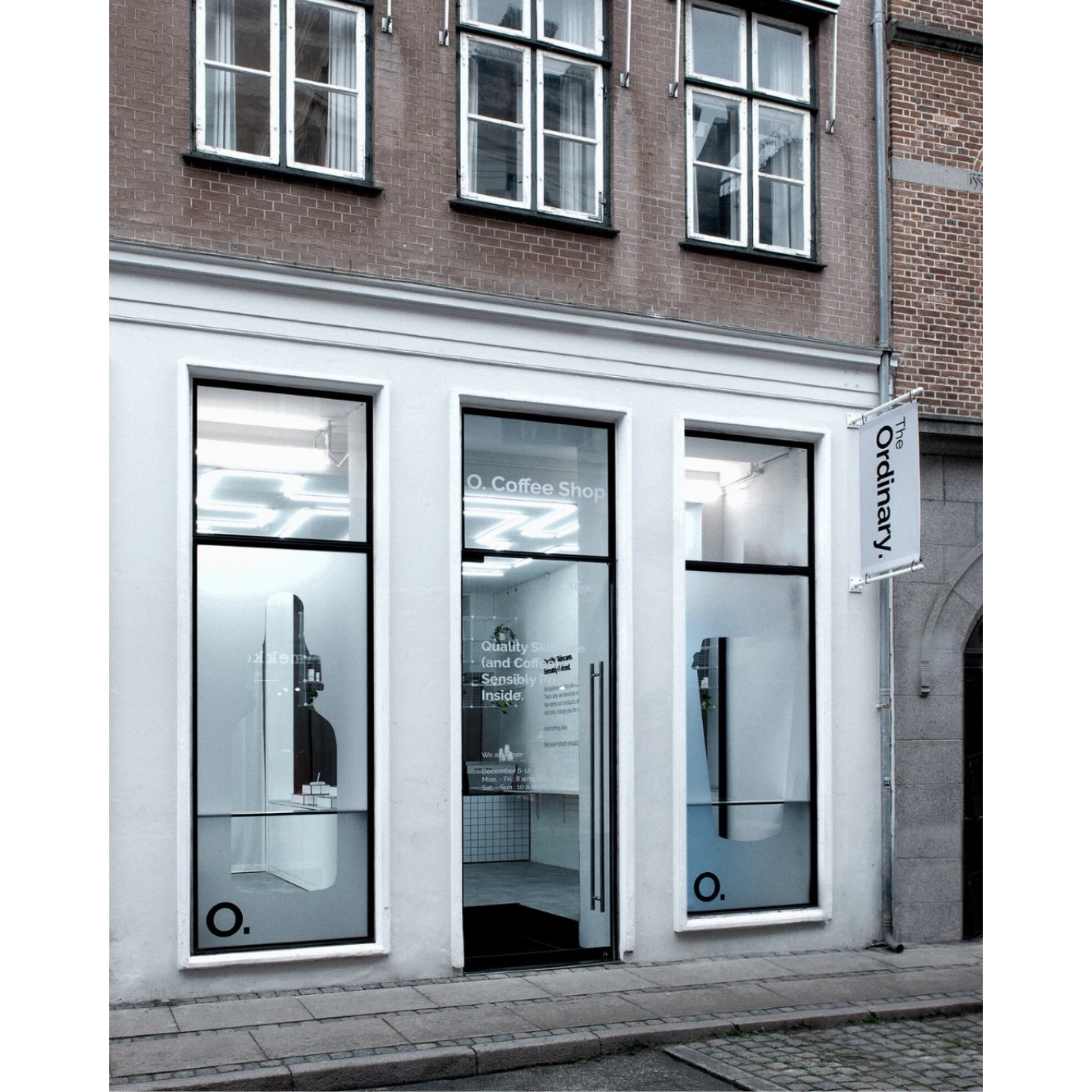
In February 2021, Estée Lauder increased its ownership of Deciem to a controlling stake. That same year, The Ordinary finally entered all physical Sephora locations across the US and Canada. Then, in 2023, Deciem began converting some of its key physical locations into dedicated The Ordinary stores.
At the same time, a new generation of skinfluencers, Reddit skincare communities, and TikTok creators began to amplify the brand’s formulas as dependable, no-nonsense staples, keeping The Ordinary culturally present even as ingredient-first skincare became the norm.
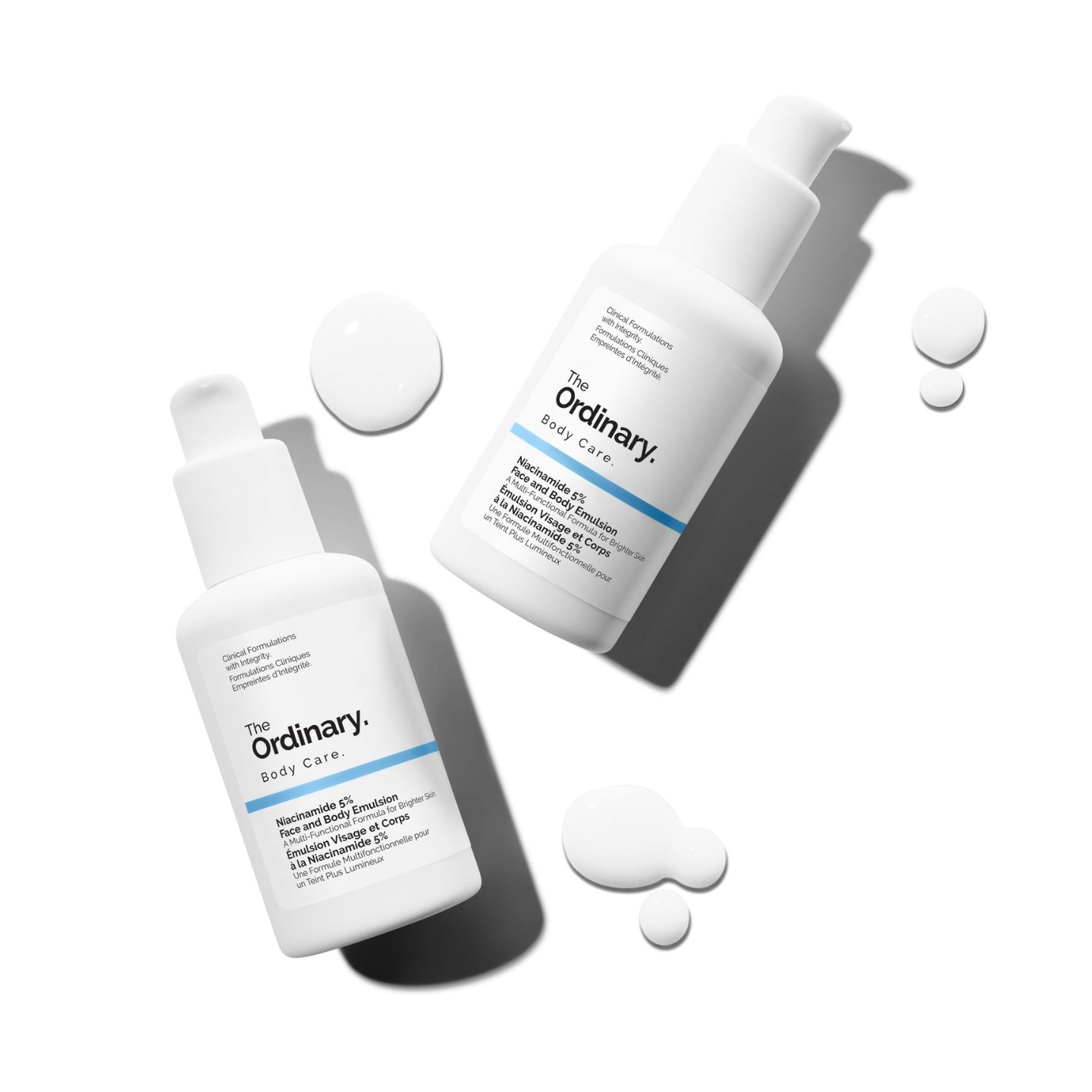
In June 2024, Estée Lauder completed its acquisition of the brand, bringing Deciem fully under its ownership. Two months later, The Ordinary took its first step beyond facial skincare, unveiling its debut bodycare range.
The Legacy of Transparency
The Ordinary’s success has been driven by more than its popularisation of ingredient-first skincare. It normalised a new contract between brand and customer — say what it is, charge what it costs, and let the results do the talking.
Its history may be complicated, but in many ways, it’s the most modern beauty story there is: a brand built in the language of the internet (direct, inspectable, and shareable) that transformed the market it set out to critique.
The Ordinary is stocked at Space NK and Boots in the UK, and at Sephora and Target across the US.