The Risks of At-Home Microneedling
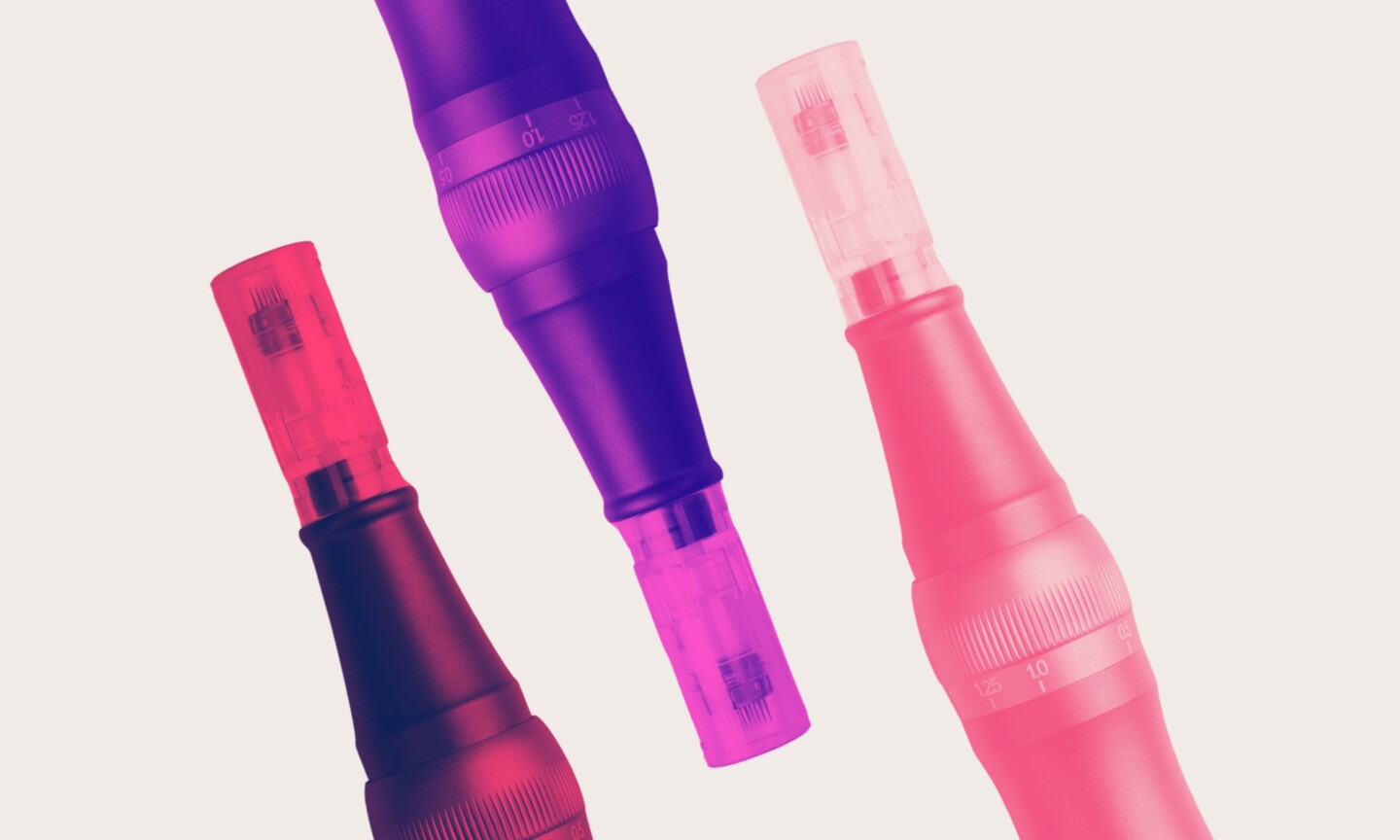
We’ve all scrolled past TikToks and Instagram Reels promising skin miracles from a cheap derma roller in the comfort of our own bathroom. But lately, at-home microneedling has gone full mainstream and become impossible to avoid.
We shouldn’t be surprised — microneedling has long been a mainstay in the aesthetic world, and for good reason. Clinicians swear by it for smoothing acne scars, softening fine lines, and giving skin that enviable bounce and even tone.
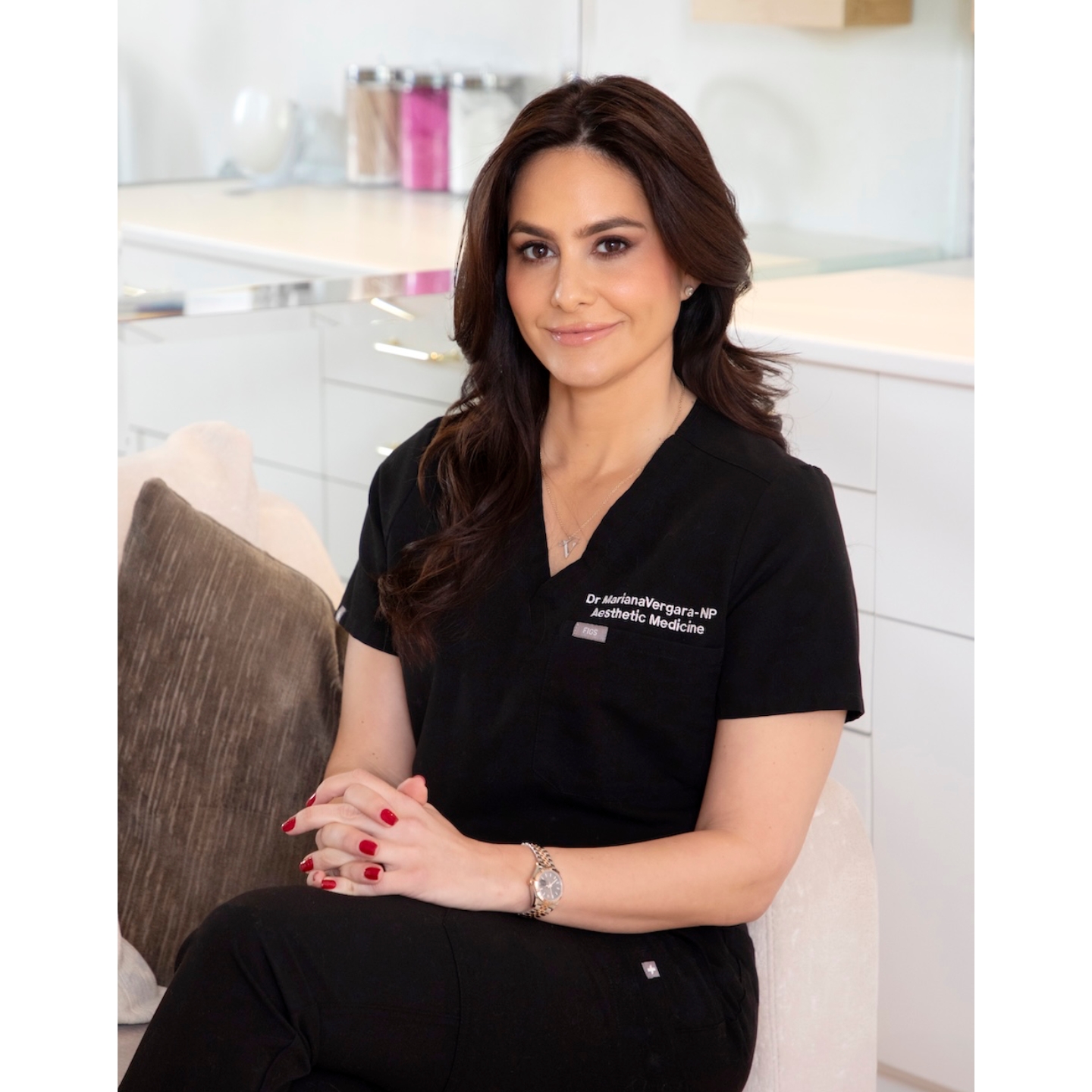
However, according to Mariana Vergara, a Beverly Hills–based aesthetic medicine expert, microneedling is one skincare trend that shouldn’t have crossed into at-home territory.
What Is Microneedling?
Microneedling is a treatment designed to improve skin quality by encouraging renewal from within. It is often used to address concerns such as acne scarring, uneven texture, fine lines, and loss of firmness.
As Vergara explains, “Microneedling involves fine needles being pressed into the skin to create micro-injuries, which go on to promote collagen and elastin production by stimulating the body’s natural healing response.”
Why Professional Treatment Matters
With microneedling, precision, sterility, and depth control are key, and far easier to manage in a clinical setting. Treatments are also spaced to allow proper healing, with clinical protocols typically leaving several weeks between appointments to support collagen remodelling.
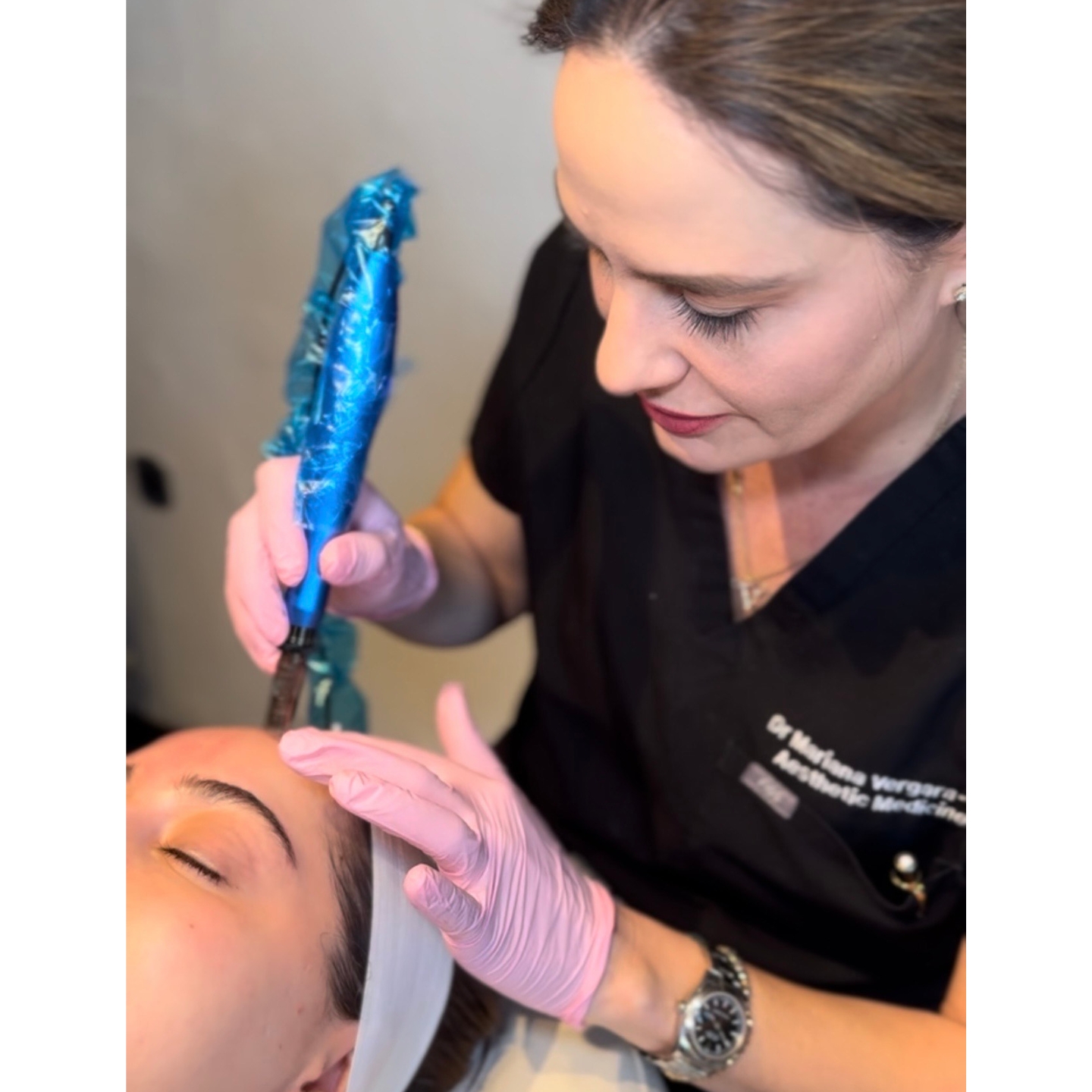
“Professional microneedling is carried out in a clinic or medical spa, using sterile, single-use needles. The devices used are engineered for precision, with superior needle quality and tightly controlled depth of penetration.”
At-home rollers, by contrast, are far less sophisticated. Most operate at a single, fixed needle length — often deep enough to compromise the skin barrier, but not precise enough to stimulate collagen in a controlled or effective way. Vergara explains that patients also tend to reuse rollers and pens, blunting needles over time and increasing the risk of irritation, inflammation, and longer-term damage.
The Risks of Microneedling at Home
“In my opinion, treatments that manipulate the skin at a deeper level should be done only by a professional,” says Vergara. “There are many DIY procedures that can damage the skin barrier and cause infections or scarring when not used correctly. Any treatment that triggers cellular repair or tissue remodelling should be done by a professional in a professional setting to avoid complications.”
Microneedling, by its very nature, breaches the skin barrier, creating channels where bacteria can enter and potentially lead to infection. In non-clinical settings, this risk increases significantly. Tools are rarely sterilised properly, and repeated use can introduce bacteria, fungi, or viruses into compromised skin — resulting in prolonged redness, swelling, inflammation, or scarring.
She stresses that infection isn’t the only concern, with technique also playing an important role. “There are other risk factors that come with microneedling at home, including using the wrong needle length, aggressive usage, and improper serum use — all of which can destroy the skin’s natural barrier, leading to irritation and post-inflammatory hyperpigmentation, particularly in darker skin types.”
Overuse is another common problem. At-home devices are often marketed for frequent use, even though the skin requires significant recovery time after any treatment that induces controlled injury.
What’s applied to the skin during microneedling also matters. “The serums used with microneedling can also be damaging, as many people use them incorrectly or don’t understand their ingredients, which can cause further skin issues,” says Vergara. She adds that some serums are formulated to be used exclusively on the surface of the skin, and when pushed beyond their intended depth, they can cause irritation and inflammation that outweigh any perceived benefit.
Alternatives to At-Home Microneedling
For those drawn to the results at-home microneedling promises, Vergara recommends a considered set of alternatives that deliver firmer, clearer skin — without the associated risks.
“LED light therapy devices help reduce inflammation and redness, improve collagen production, and support skin firmness while reducing fine lines. Lymphatic drainage tools minimise puffiness and support circulation, and microcurrent devices stimulate muscles, tone the face, and provide a lifted effect.”
There are also radiofrequency devices that use gentle, controlled heat to boost collagen and elastin production, as well as chemical exfoliants that deliver smooth and steady cell turnover. And don’t forget retinoids. They’re still regarded as one of the most solid, research-backed choices for slowly improving tone, texture, and fine lines with minimal effort.
Whatever you decide, just remember that some treatments are simply better left to the professionals — and microneedling is one of them.