Before You Book That Tweakment, Look Out for These 5 Red Flags
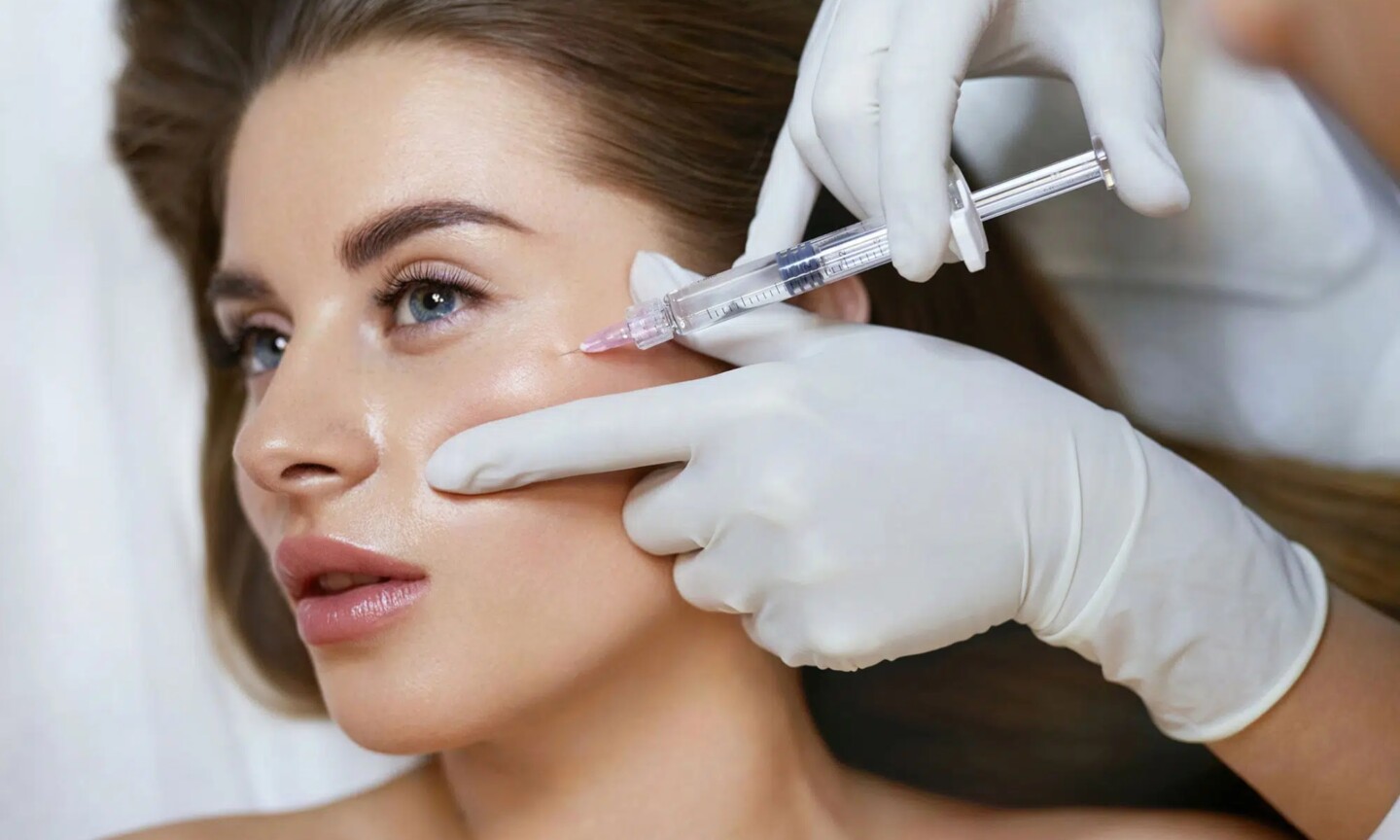
Aesthetic treatments have gone from something you booked for a special occasion to something many people squeeze into their lunch break. Lash lifts, laser treatments, chemical peels, injectables — whatever’s on your wishlist, there’s probably a clinic, medispa, or salon offering it within a few miles of your current location.
That’s great news for anyone who loves a tweakment. But there’s a downside to an industry that’s expanded so quickly.
It’s surprisingly easy to assume that if someone is advertising aesthetic treatments, they’re fully trained, properly insured, and following the same professional standards as everyone else. According to Lesley Blair MBE, CEO and Chair of the British Association of Beauty Therapy and Cosmetology (BABTAC) and CIBTAC, that’s an assumption we shouldn’t make.
Blair leads BABTAC’s T.I.M.E. campaign, which encourages people to check a practitioner’s Training, Insurance, Monitoring, and Evidence before booking. And while there are plenty of excellent practitioners out there, she says there are some warning signs that should stop you in your tracks.
They dodge questions about qualifications
A gorgeous treatment room and an Instagram feed full of glowing skin can be reassuring, but Blair says they’re no substitute for actual credentials.
“A reputable beauty professional should be able to provide evidence of their qualifications and explain where they trained, as well as hold appropriate insurance for every treatment they offer,” she says. “If a practitioner avoids the question, becomes defensive or cannot produce evidence when asked, this should immediately raise concerns.”
It might feel a little awkward asking someone to show you their qualifications, but it really shouldn’t. A reputable practitioner won’t be offended. If anything, they’ll expect the question and be happy to answer it.
They skip the consultation
Nobody loves filling in consultation forms, but they’re there for a reason.
If you’re being shown straight to the treatment bed without anyone asking about allergies, medication, medical conditions, or previous treatments, that’s a sign something isn’t right.
“A consultation should always take place before any treatment,” says Blair. “This is an essential part of the client journey and allows the therapist to assess medical history, allergies, medications, lifestyle factors and any contraindications that may affect whether the treatment is safe or suitable.”
It’s also your chance to ask questions, understand exactly what’s involved, and decide whether the treatment is actually right for you. That’s difficult to do if the consultation never happens.
They treat patch testing as optional
Patch tests can feel like an inconvenience, especially when you’re already going well out of your way for an appointment. But if your practitioner recommends one, there’s a good reason.
“Treatments involving products such as tints, adhesives or certain chemical formulations can trigger allergic reactions, making patch testing an important safety measure,” she explains.
Not every treatment requires a patch test, but if yours does, it’s not a step worth skipping. A qualified practitioner should know exactly when one is needed and won’t be tempted to skip it just to make booking easier.
They send you home without aftercare advice
The treatment itself is only one part of the process. What happens afterwards matters too.
“A professional practitioner should provide clear aftercare advice and explain any health and safety considerations following treatment, including expected results, possible side effects and when to seek further advice,” she says.
Whether you’ve had injectables, laser, or a chemical peel, knowing what’s normal, what to avoid, and when to ask for help is part of the service you’re paying for. If you’re left to figure it out yourself, that’s another warning sign.
Their social media is all style and no substance
We’ve all been persuaded by a good before-and-after.
But while social media can be useful for getting a feel for someone’s work, Blair says it shouldn’t be the only thing you rely on when choosing who to trust with your face.
“While social media can showcase impressive before-and-after images, consumers should look beyond perfectly curated feeds,” says Blair. “Established professionals are usually happy to share genuine client testimonials, independent reviews and examples of their work.”
That doesn’t mean practitioners need hundreds of thousands of followers. What matters is whether they can back up their work with genuine reviews, real client feedback, and evidence of experience.
The bottom line
Most beauty professionals are highly skilled and take client safety seriously. The challenge is knowing how to spot the ones who don’t.
Before booking, don’t be afraid to ask about qualifications, insurance, consultations, or aftercare. A reputable practitioner won’t see those questions as awkward — they’ll see them as completely reasonable. If anything feels rushed, vague, or evasive, trust your instincts and keep looking.