The History of Beauty of Joseon
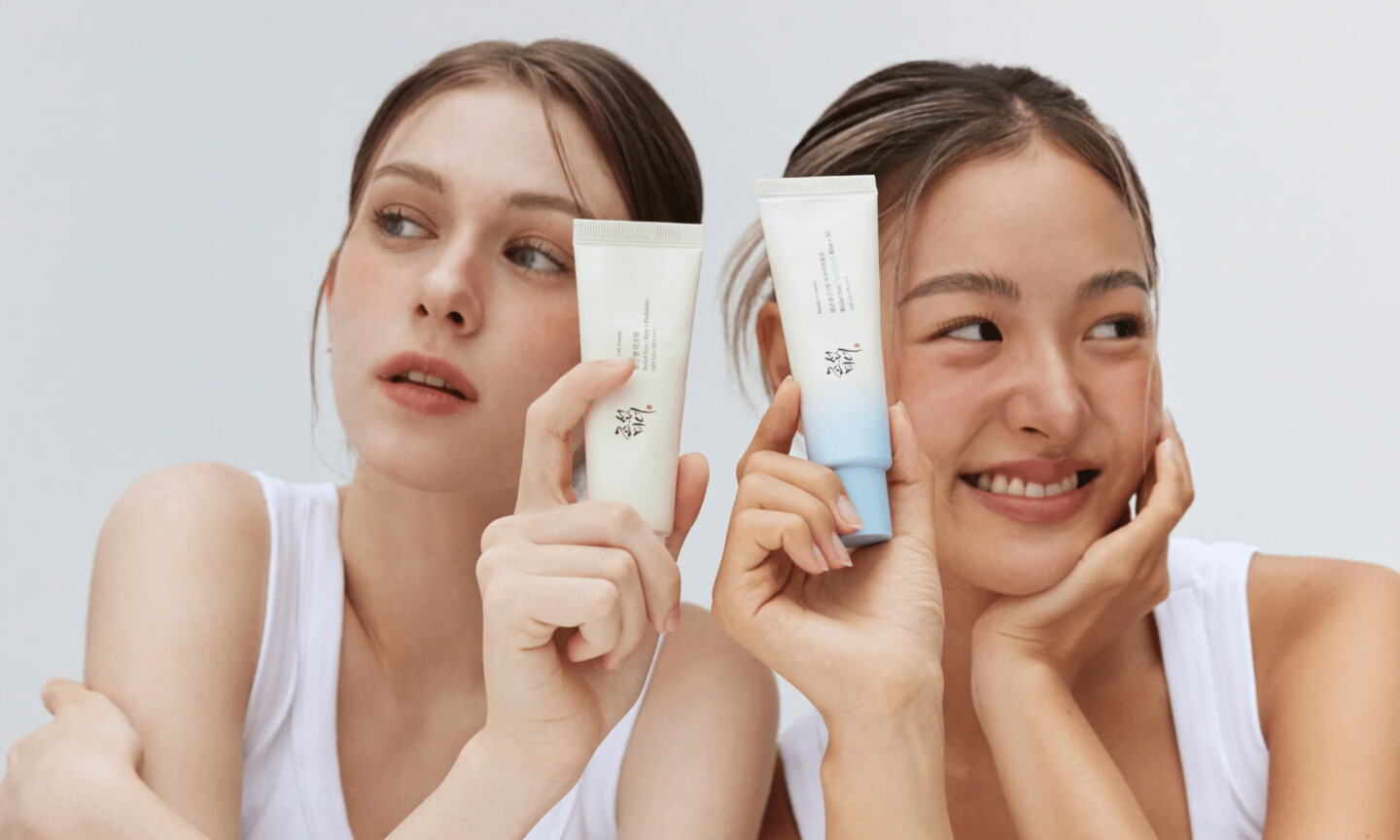
In the UK and US, Beauty of Joseon is about as famous as K-beauty gets. In Korea? Not so much.
Long before its beloved Relief Sun took off on TikTok, Beauty of Joseon was just an own-brand line sold on a Korean shopping website.
Historic Roots
The name Beauty of Joseon roughly translates as ‘beautiful woman of Joseon’. It’s a nod to the Joseon dynasty that ruled Korea for more than 500 years, from 1392 to 1910, when, as the brand tells it, women prioritised caring for skin over piling on makeup.
Much of the range draws on hanbang, the Korean tradition of herbal medicine, reworked for skincare. Rice and ginseng feature heavily, with green plum and red bean appearing here and there, usually alongside modern actives such as niacinamide. Its origin story leans on the Gyuhap Chongseo, an encyclopaedia of household and beauty know-how written by female scholar Yi Bingheogak in the early 1800s.
The Early Days
Beauty of Joseon started life in 2014 as an own-brand line from Crackle Factory, the company behind Korean video shopping site Womanstalk. It never went near a shop floor. Instead, the then-generic brand sold online on Korean marketplace Coupang.
Joseon Beauty Cream was the first product. Today you’ll know it as Dynasty Cream — one of the brand’s bestsellers. Inside the formula, you’ll find rice bran water (in Joseon times, it was known as ‘beauty water’) and ginseng root water.
A Fresh Start
From 2017, Goodai Global, a Seoul company that mostly exported Korean beauty to China, handled Beauty of Joseon’s sales. However, a diplomatic row over a US missile defence system in South Korea led China to turn against Korean products, and Goodai’s main market dried up as a result. Womanstalk wasn’t doing much better, so in 2019 Crackle Factory sold Beauty of Joseon to Goodai outright. But it was hardly a cash cow. In 2020, the brand brought in just 100 million won — roughly £54,000 ($72,000).
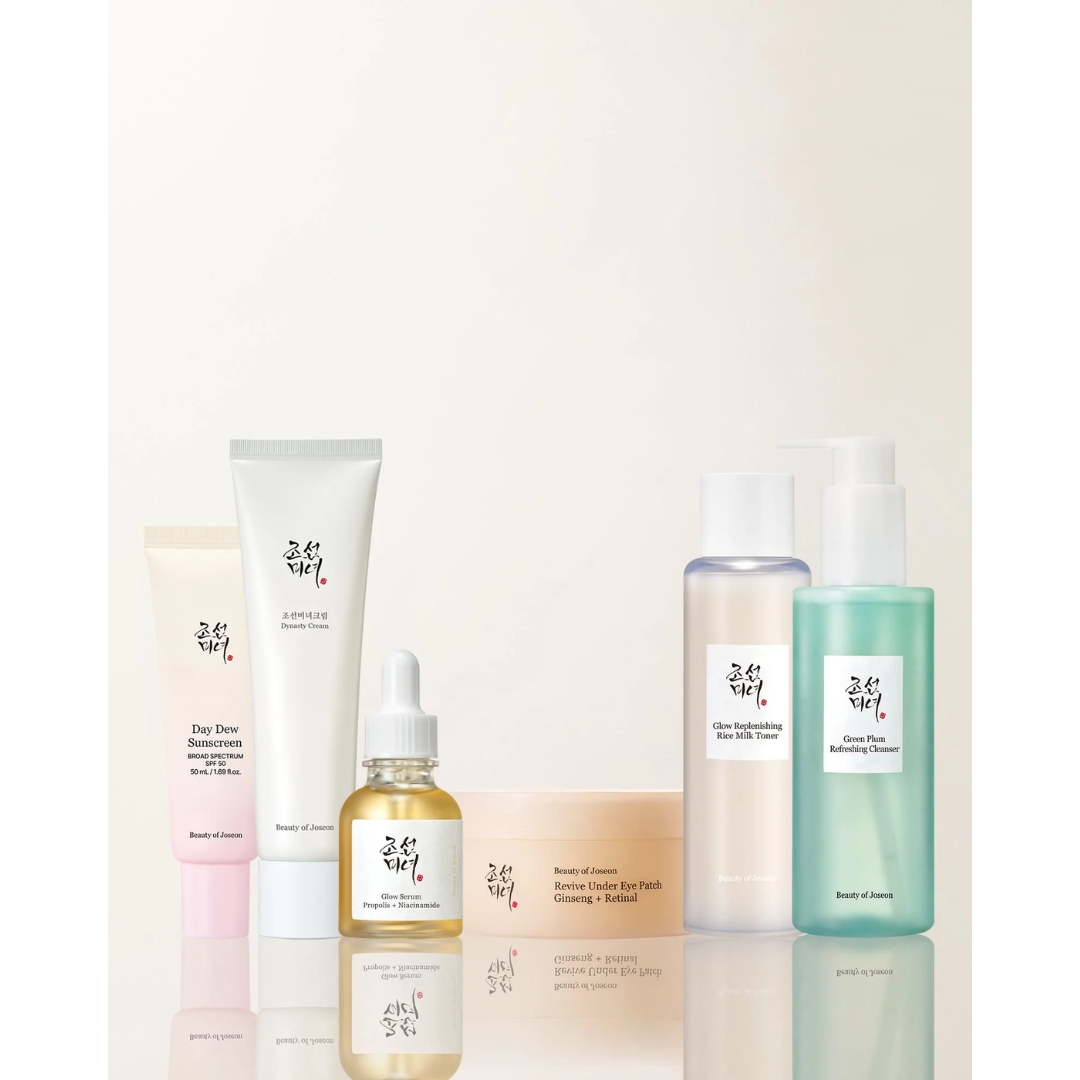
Goodai’s first job was refreshing the Beauty of Joseon brand. The packaging was redesigned, prices came down, and a new strapline entered the picture: ‘modern hanbang’.
Back home in Korea, herbal skincare had a reputation for being a little dated, more something your mother would use. But younger shoppers in America didn’t know that. If anything, Tatcha had already shown that American customers would happily buy into another culture’s beauty traditions. So Goodai headed west, with Sumin Lee, one of the team behind the relaunch, as its public face. From 2019, US shoppers could buy Beauty of Joseon on Amazon and its own website, beautyofjoseon.com. Its serums were the first to catch on in the US, helped along by skincare YouTubers such as Hyram Yarbro and James Welsh. Glow Serum: Propolis + Niacinamide remains one of its most popular products.
The Sunscreen That Started It All
Relief Sun: Rice + Probiotics SPF50+ launched in November 2021. Within a year, it would become the product the brand is known for. Rice extract, which makes up 30% of the formula, is rich in vitamins and amino acids, and used for its ability to help moisturise dry skin. The ingredient also draws on the old Korean practice of washing your face with rice water.
Relief Sun is everything thick, chalky sunscreens aren’t. It’s lightweight, fast to absorb, and free of any ghostly cast. That’s exactly what helped earn it cult status.
TikTok Takes Notice
In 2022, Relief Sun started popping up across TikTok. But the one review that really mattered came from skincare creator Sarah Palmyra, who gave Relief Sun a perfect 10 for value during a sunscreen round-up. Her comments filled with people asking where to buy it. By Black Friday that same year, it was Amazon’s No.1 sunscreen in the US and held the top spot again on Black Friday 2023.
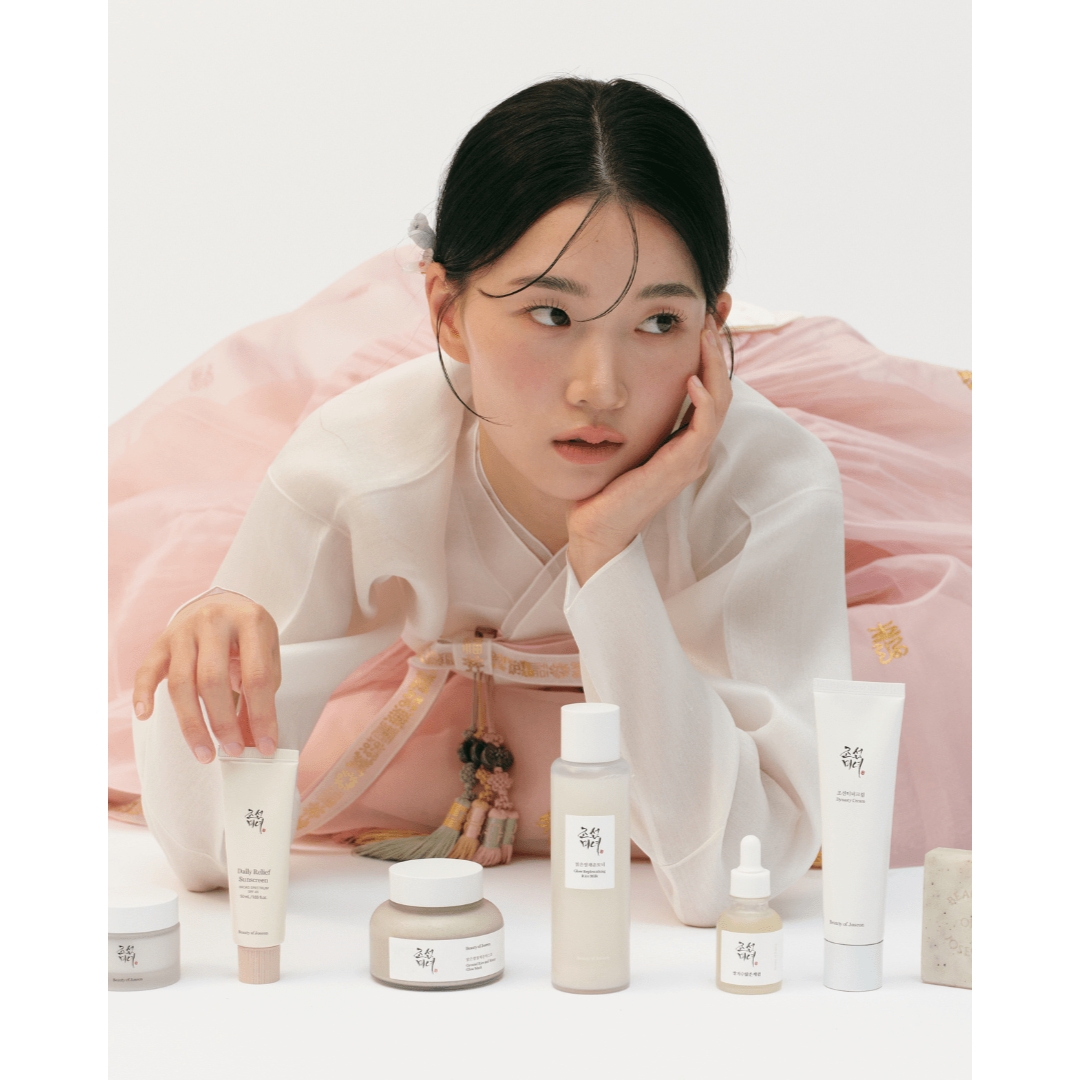
Sumin Lee says the brand tried to reach out to everyone who mentioned its products. It even collaborated on products with some of them. Creator Ramón Pagán, aka Glow by Ramón, co-created Beauty of Joseon’s Matte Sun Stick, while Ava Lee’s Jelloskin teamed up with the brand on a massage cream and gua sha tool.
Sales took off. They reportedly grew from that 100 million won in 2020 to 3 billion won in 2021, then about 40 billion won in 2022. By 2023, they had hit around 140 billion won, about £75 million ($100 million).
By then, US fans could also find the brand at K-beauty retailer Soko Glam, and in June 2023, Goodai CEO Cheon Joo-hyuk named Europe as the brand’s next big target. In the UK, it was already selling online through specialist K-beauty sites such as Skin Cupid.
Into the Real World
Back in Korea, the brand was still far less famous than it was abroad, and Olive Young was its main retailer. Ironically, when it made its debut on TV shopping channel Lotte Home Shopping in April 2024, it was billed as America’s No.1 Amazon sunscreen.
In June 2024, the brand secured its first major UK retailer with Boots. That same year, Relief Sun went on to become the retailer’s best-selling K-beauty product. That September, it gained a lighter sibling, Relief Sun Aqua-Fresh: Rice + B5.
However, over in the US, the brand still had no major beauty retailer. You could now buy it on TikTok Shop, though, which Sumin Lee says the brand launched mainly to reassure fans they weren’t getting fakes. Then, in November 2024, came its first US pop-up, in Los Angeles. People queued right around the building on day one, and more than 30,000 turned up over its nine-day run.
The Big Retail Push
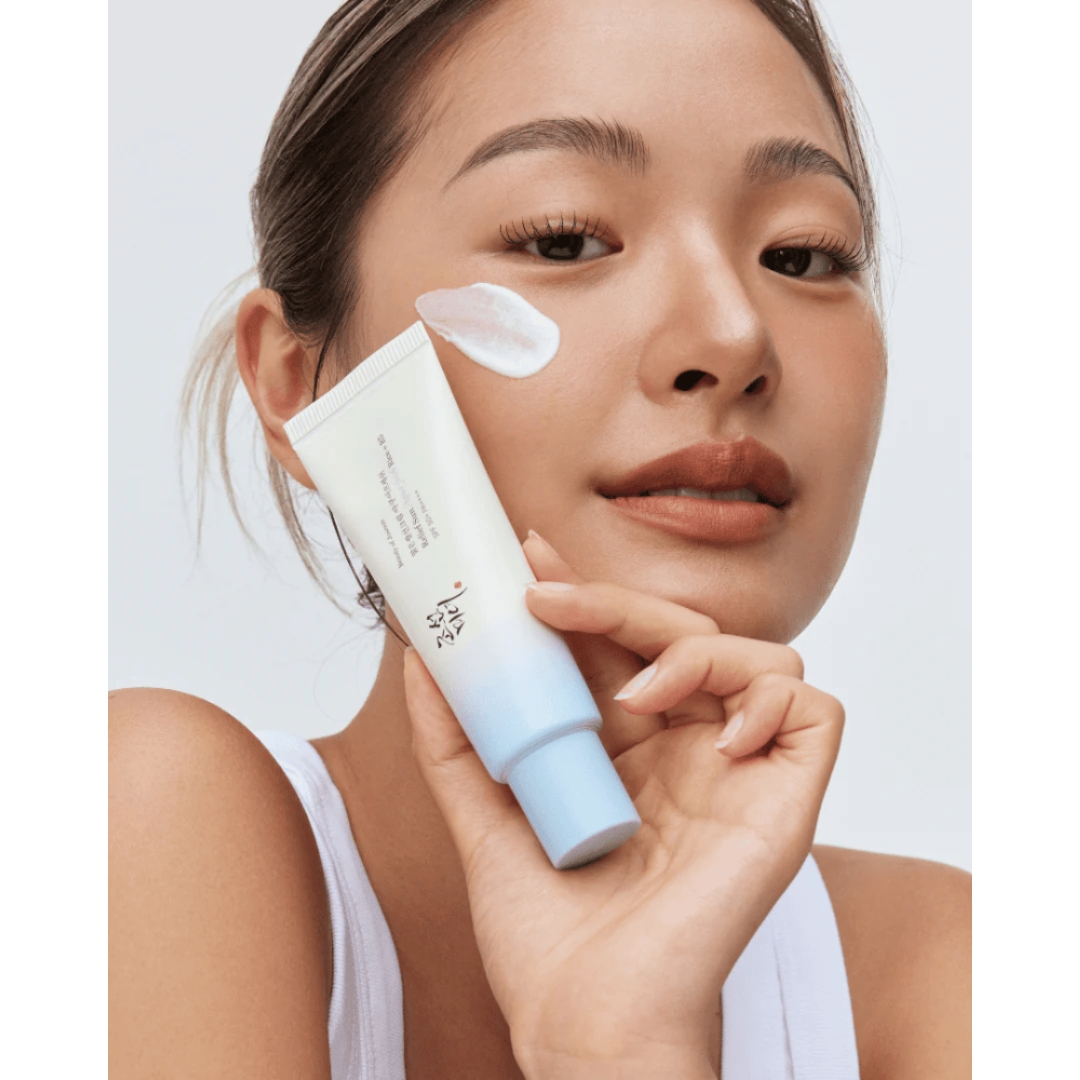
In spring 2025, Boots landed a UK exclusive: the brand’s first tinted SPF, Daily Tinted Fluid Sunscreen, launched online at Boots only. At the time, Beauty of Joseon was in 460 Boots stores and was the retailer’s best-selling K-beauty brand.
On 17 July 2025, Beauty of Joseon finally found its place on US retail shelves, when it entered 600 Sephora stores, alongside sephora.com. Because Korea permits UV filters the US had yet to approve, the original Relief Sun couldn’t be sold in US stores, so the brand arrived with a formula made for the US market. Day Dew Sunscreen SPF 50 launched as a Sephora exclusive. The rest of the range spread fast, with Target stocking it that same summer.
Less than two weeks later, the brand had a famous face too. On 30 July 2025, Korean DJ and producer Peggy Gou was named global ambassador. Her first campaign, Not Our First Rodeo, put her in horse-girl styling to front Day Dew Sunscreen.
Beyond the Face
Until 2026, everything Beauty of Joseon made, from cleansing oils and serums to eye creams and sunscreens, was designed for the face. However, things changed in May of that year, when the brand started paying attention to the body. Unsurprisingly, the first products were sunscreens. Hydra Shield Body Sun Lotion SPF50+ is made with fermented brown rice and ceramides for a lightweight feel and a naturally glowy finish. Comfort Protection Mineral Body Sun Lotion is a gentler mineral formula aimed at sensitive skin and designed for the whole family.
Beauty of Joseon Today
Beauty of Joseon is now sold in over 50 countries. In 2025, Goodai reported revenue of 1.47 trillion won, about £795 million ($1.06 billion), with Beauty of Joseon accounting for nearly a third of its brand sales. Profits from the brand helped Goodai buy TirTir, and the group has also added Skin1004, Round Lab, and Skinfood to its portfolio. Goodai is preparing to list on the stock market, with Korean press reporting a target valuation of 10 trillion won, roughly £5.4 billion ($7.2 billion).
Beauty of Joseon is available in the UK at Boots, M&S, and Space NK. US shoppers can find the brand at Sephora, Target, and amazon.com.