The History of Olaplex
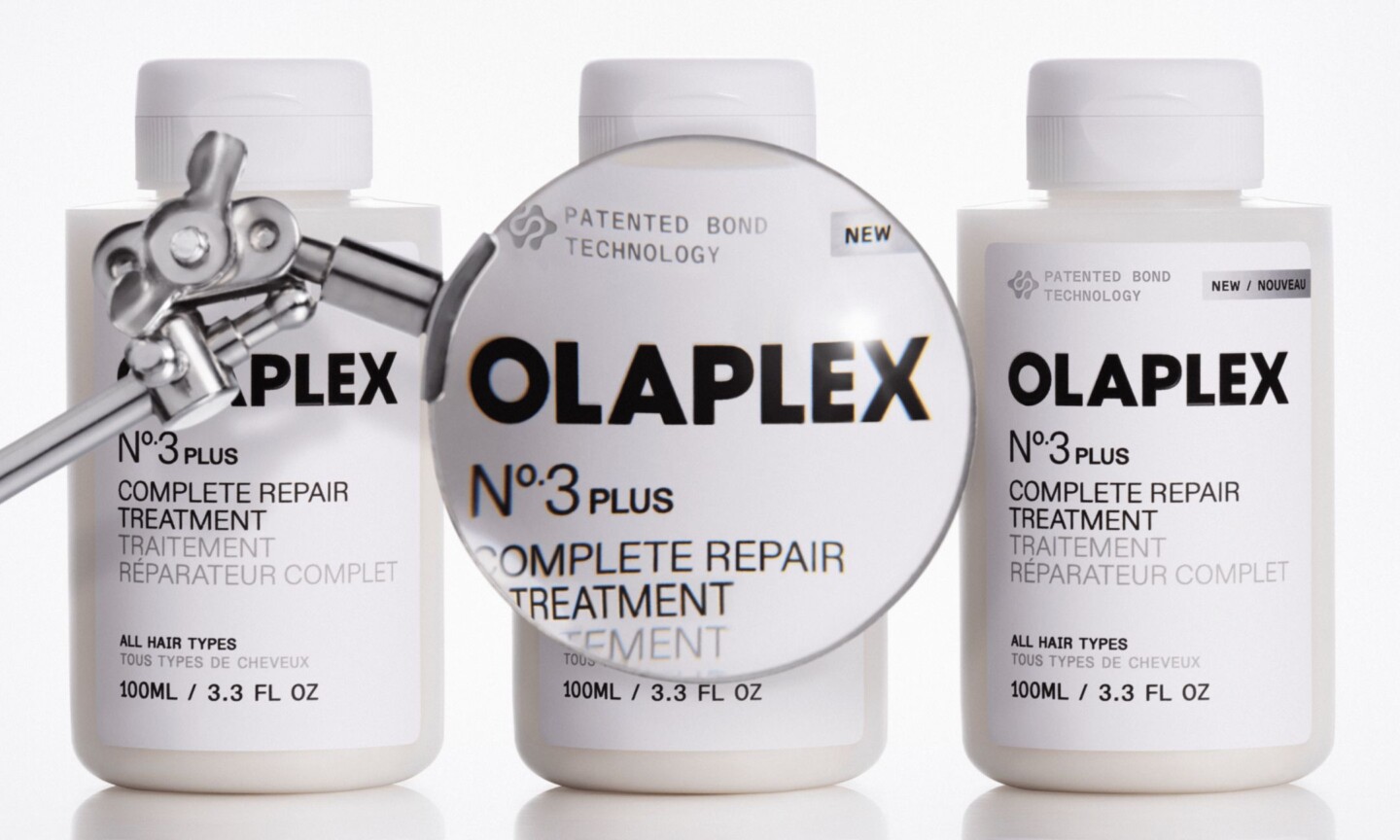
Long before Olaplex made ‘bond-building’ part of the beauty lexicon, fried hair was either cut off, drowned in silicone, or simply embraced. But for the professionals, the stakes were higher. Stylists were constantly caught between their creative ambition and the literal breaking point of a hair strand. Olaplex set out to change that.
A Brand is Born
Olaplex was founded by Dean and Darcy Christal. Prior to its launch, the husband-and-wife team founded Liqwd, a salon-only haircare brand, in 2009. Dean’s ties to the beauty industry ran even deeper: his father was a beauty distributor, his mother ran a home salon, and his brother, Don Christal, founded the haircare brand Alterna.
The concept behind Olaplex was shaped by a specific professional need. Colourists wanted a way to protect hair during high-risk services, particularly bleaching, blonding, corrective colour, and chemical processing.
Olaplex’s answer was a bond-building treatment developed with chemists Craig Hawker and Eric Pressly at the University of California, Santa Barbara. Powering the formula was bis-aminopropyl diglycol dimaleate, a first-of-its-kind molecule designed to reconnect broken disulphide bonds in the hair.
Olaplex officially launched in 2014, introducing this technology through its debut products, the No.1 Bond Multiplier and No.2 Bond Perfector. The brand bypassed traditional beauty retail to launch exclusively in salons, a decision that ultimately helped establish its professional credibility. Celebrity colourists like Tracey Cunningham and Aura Friedman were among Olaplex’s earliest advocates, while dramatic before-and-after transformations quickly spread across social media, fuelling demand for the brand.
From the Salon to the Store
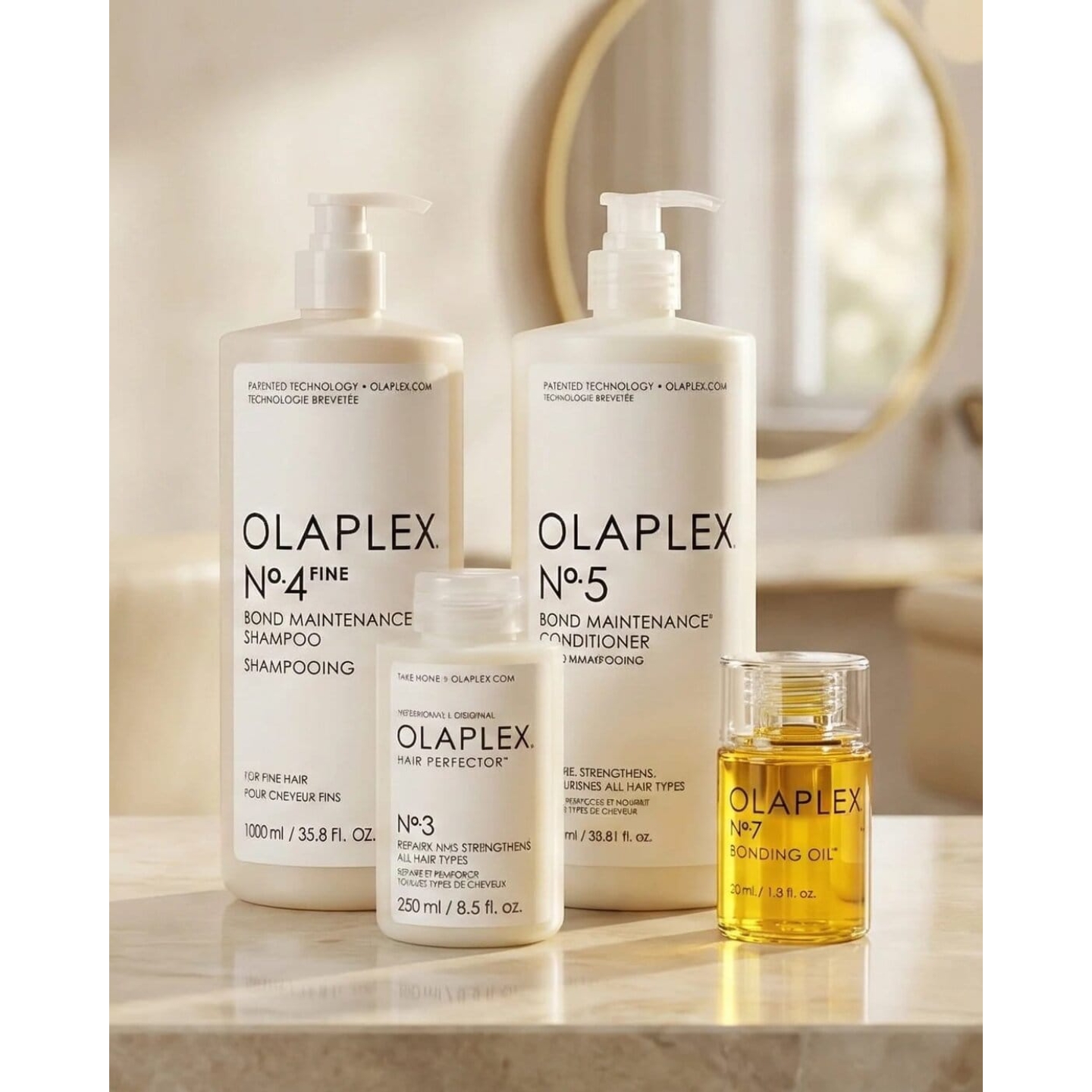
By the time Olaplex introduced its first at-home product, No.3 Hair Perfector, anticipation around the brand was already at fever pitch. The cult-favourite treatment, which launched in 2018, didn’t fit neatly into the usual haircare categories. It wasn’t a shampoo, conditioner, or traditional mask, but a pre-wash treatment that brought the idea of ‘bond-building’ into everyday routines.
In 2018, Olaplex expanded into direct-to-consumer retail through Sephora. Just two years later, it became the beauty giant’s bestselling haircare brand.
Protecting Its Tech
As Olaplex evolved from salon disruptor to global beauty brand, it also became involved in a series of high-profile legal disputes with L’Oréal. Beginning in 2018, the cases centred on trade secrets and patent infringement, with courts in both the UK and US later ruling in Olaplex’s favour on major claims.
The Expansion Era
As the business grew, investors began paying closer attention. In early 2020, Advent International acquired Olaplex and appointed JuE Wong — formerly of Moroccanoil and Elizabeth Arden — as CEO.
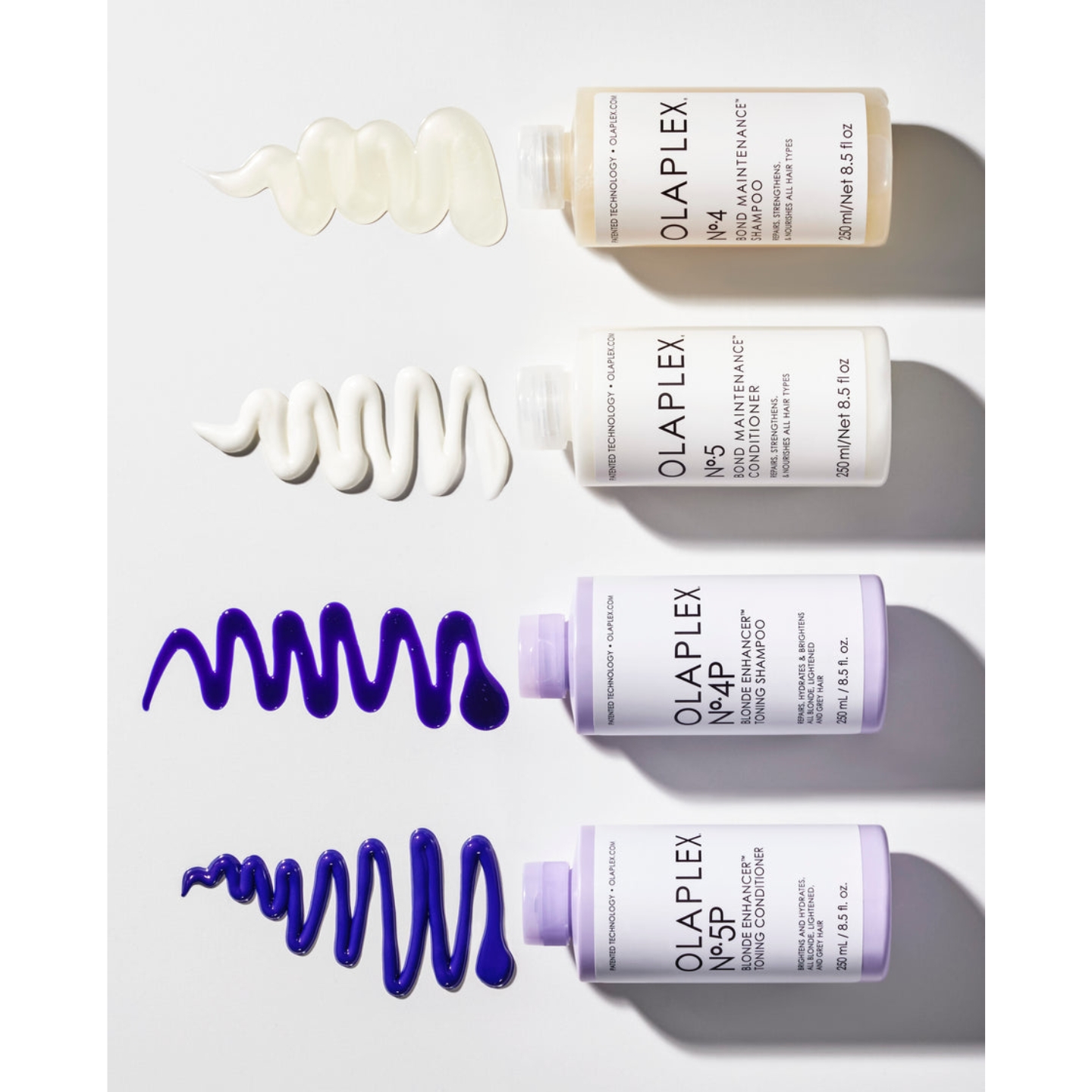
The product line also continued to expand. In July 2020, Olaplex dropped the No.0 Intensive Bond Building Treatment, a primer designed to enhance the effects of No.3. A year later came No.4P Blonde Enhancer Toning Shampoo, catering to the blonde-focused demographic that had helped drive the brand’s early momentum.
Olaplex Goes Public
By 2021, the brand’s net sales had rocketed from $148 million in 2019 to nearly $600 million in just two years. That same year, Olaplex went public on the Nasdaq, with shares surging on the first day of trading and pushing the company’s valuation to $16.2 billion.
A Brand Under Pressure
The brand faced its first major controversy in 2022 amid widespread confusion over a fragrance ingredient called lilial. When the EU banned the ingredient, the internet did what it does best and panicked; rumours flew that Olaplex was being pulled from shelves entirely. In reality, products containing lilial had been reformulated, and the brand had stopped shipping the old versions months before the ban came into effect.
The following year, Olaplex faced a lawsuit alleging its products were causing hair loss and breakage. Olaplex denied the allegations and pointed to extensive safety data supporting its formulations. The lawsuit was ultimately dismissed, though the controversy still impacted the brand’s reputation.
The $1.4 Billion Buyout
In March 2026, it was announced that Henkel would acquire Olaplex for $1.4 billion, moving the brand back into private ownership.
The Henkel acquisition marks the end of an era for Olaplex, but it’s far from the final chapter. In just over a decade, the brand achieved the seemingly impossible; it invented a category that fundamentally changed how we talk about our hair. Regardless of who now owns the brand, one thing is clear: the bond-building revolution is here to stay. And honestly? Our split ends have never been more grateful.
Olaplex is available via Space NK and lookfantastic.com in the UK. Those in the US can shop the brand at Ulta Beauty and Nordstrom.