Alidya: The Trending Injectable Taking On Cellulite
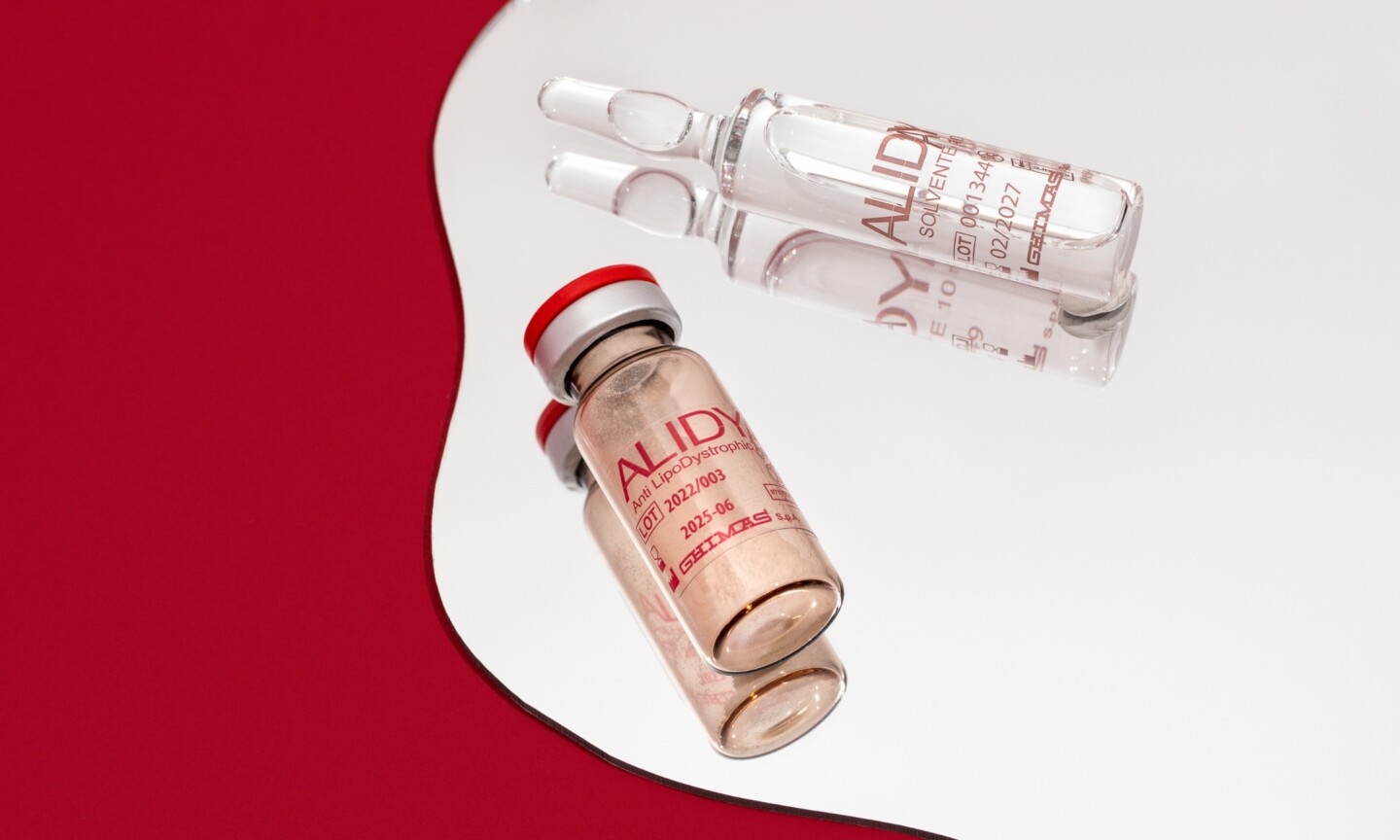
We’ve been slathering on caffeine creams, enduring aggressive deep-tissue massages, and getting numerous laser treatments for decades — all in the name of treating cellulite. But, as it turns out, we may have been treating the wrong thing this whole time.
Scientific research led by Professor Pasquale Motolese is challenging much of what we thought we knew about cellulite. According to the Italian expert, cellulite is a complex biochemical process occurring deep within the extracellular matrix, the intricate support network surrounding our tissue cells.
The solution? Alidya, a next-gen injectable treatment designed to reduce cellulite at its source. Instead of just focusing on the visible dimpling, it targets the underlying biological processes associated with its development.
Here’s what the latest research suggests about cellulite — and how Alidya is addressing it.
What Really Causes Cellulite?
Professor Motolese’s research suggests that cellulite forms in a four-step process. First, slowed microcirculation in the deep dermis limits fresh oxygen supply, which stops your body from naturally clearing away metabolic by-products. Second, without proper drainage, waste products — including free radicals and heavy metal ions — begin piling up inside the extracellular matrix.
This buildup triggers oxidative stress, causing localised inflammation that weakens your collagen and hardens the surrounding connective tissue. Finally, as the hardened connective fibres pull the skin down and fat chambers push upwards, the classic ‘orange peel’ texture begins to appear on the skin’s surface.
How Does Alidya Work?
Alidya works within the deeper layers of tissue. Administered via a series of precise microinjections (a technique known as mesotherapy), the formula targets the root causes of tissue damage. It relies on chelating agents that bind to metal ions thought to contribute to oxidative stress, helping to reduce localised inflammation. It also contains calcium ascorbate, an antioxidant that helps neutralise free radicals and protect against ongoing oxidative damage.
To support collagen synthesis and restore elasticity, the formula also contains a blend of amino acids, including methionine, glycine, and isoleucine. Plus, a mix of mannitol and buffering systems works to balance tissue pH, reduce fluid retention, and get lymphatic drainage moving properly again.
What Results Can You Expect?
The clinical data published so far has been encouraging. In a recent study evaluating anti-cellulite protocols, a group of 24 women underwent six weekly Alidya mesotherapy treatments. By the end of the trial, high-frequency ultrasound assessments revealed significant structural improvements, including a clear reduction in subcutaneous tissue thickness and a smoothing of the fat protrusions associated with skin dimpling. These changes were also accompanied by a measurable decrease in thigh circumference and overall BMI, pointing to improvements that extended beyond the skin’s surface.
Who Is It Best For?
Alidya is most commonly used on the thighs and buttocks, where cellulite tends to be most prevalent. It works best on mild to moderate dimpling, known in the medical world as Grade I or II on the Nürnberger–Müller scale. Essentially, if your skin looks relatively smooth at rest but develops visible dimpling when standing or when pinched, you may be a suitable candidate for Alidya.
What Can You Expect During Treatment?
Rather than relying on a single treatment, Alidya is typically delivered over a series of sessions. Patients will usually undergo five to seven treatments, typically spaced a week apart. Appointments are relatively quick, lasting between twenty and thirty minutes.
At the start of the appointment, your provider will prep the area by giving the skin a thorough cleanse and mapping out the exact zones that need attention. Then, the solution is delivered across those target areas through quick microinjections or a tiny cannula. As for discomfort, most patients describe the sensation as a brief pinch or light prickling feeling.
What Happens After Treatment?
One of the biggest benefits of Alidya is the lack of downtime. Some redness, swelling, or bruising can occur around the injection sites, but most patients are able to resume their normal routine immediately after treatment.
There are a few temporary restrictions. Body lotions, self-tanners, and exfoliating products should be avoided on treated areas for 24 hours, while intense exercise, saunas, steam rooms, and hot tubs are typically off-limits for the first few days.
Alidya is available at authorised clinics across the UK. The treatment is not yet available in the US.