The History of Medicube
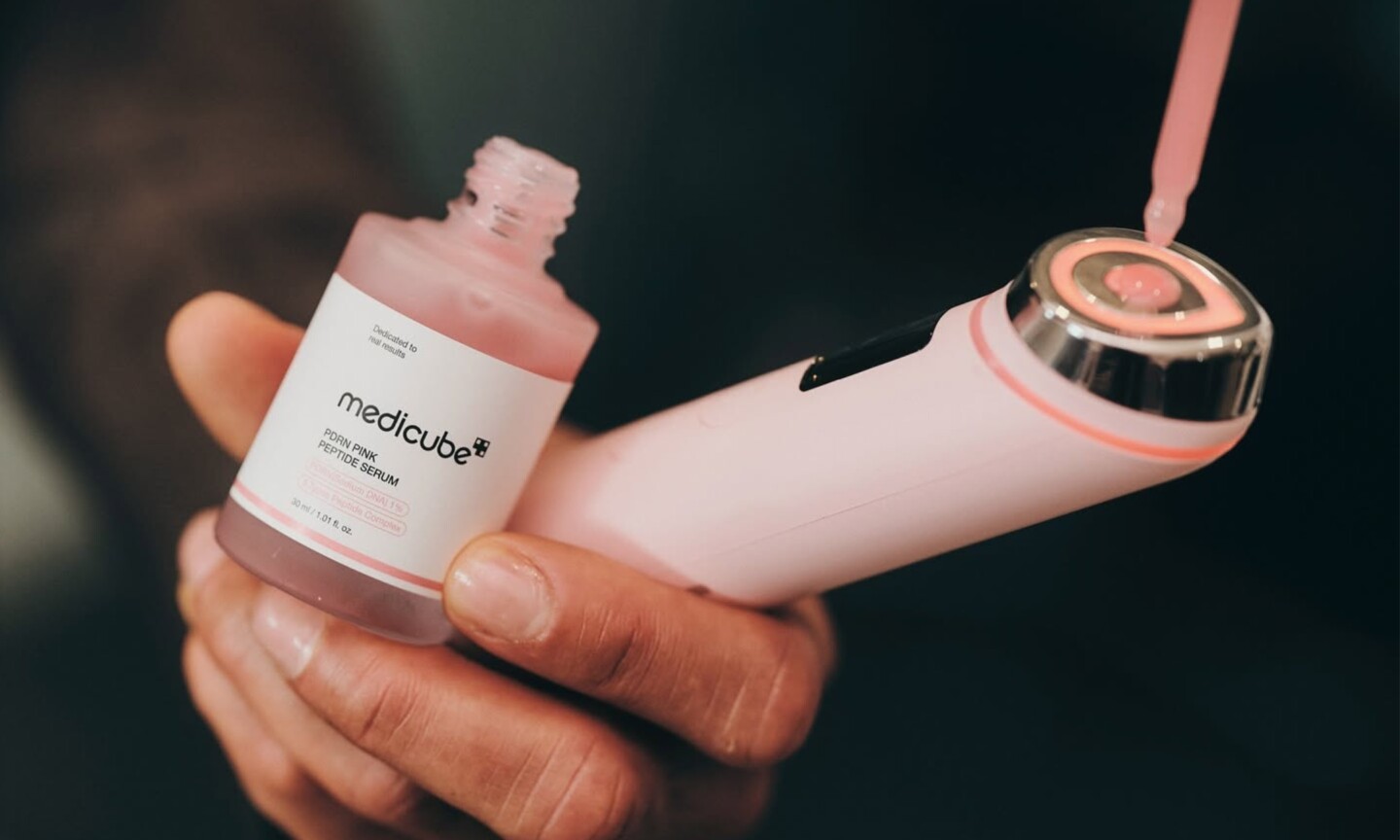
It’s safe to say Medicube is one of the biggest names in K-beauty right now. But it may surprise many that its rise to global success has been years in the making. Long before celebrities were sharing their love of Medicube’s facial devices on social and shoppers were desperate to purchase products during viral shopping events, the South Korean brand was a little more in the background, building a reputation for clinically focused skincare.
Keep scrolling to learn about Medicube’s journey from science-driven formulas to becoming the first Korean indie beauty brand to surpass 1 trillion won in single-brand annual sales. Impressive, huh?
A Different Kind of K-Beauty
Medicube launched in Seoul in 2016 under APR, a Korean beauty company founded by entrepreneur Kim Byung-hoon. Kim, who also serves as the company’s CEO, has become a celebrity of sorts within the beauty community. Known online as ‘CEOppa’ — a mash-up of CEO and oppa, the Korean term for an older brother — he regularly tests products himself and answers consumer questions directly on social media.
At the time of Medicube’s debut, much of K-beauty was associated with elaborate routines, playful packaging, and novelty ingredients. So the brand approached Korean beauty differently, with a focus on dermatologist-tested skincare designed to address specific concerns, including enlarged pores, acne, and signs of ageing. As a result, clinical testing, ingredient-led formulas, and measurable results became central to its identity.
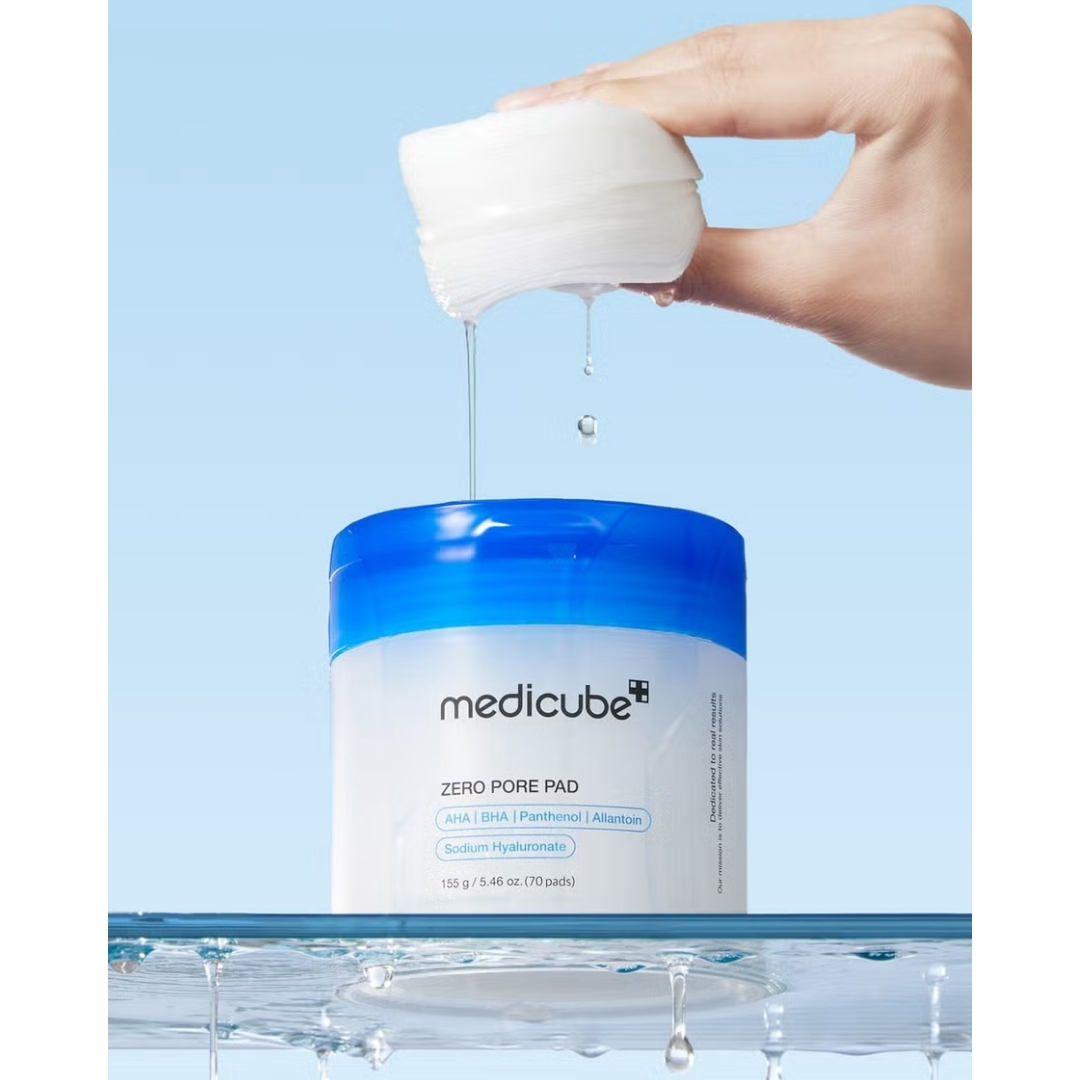
Red Line was its first range, a four-step solution created for acne-prone skin, made up of the Red Foam Cleanser, Red Toner, Red Serum, and Red Cream. It quickly became a bestseller in South Korea and was soon joined by the cult-favourite Zero Pore Pads — a go-to for visibly refining the look of pores and smoothing skin texture.
Medicube didn’t wait long to expand beyond its home market. In late 2019, little more than three years in, it landed stateside with its own direct-to-consumer online store, giving American beauty fans the chance to shop straight from the source.
From Skincare to Beauty Tech
Its skincare was already a hit, but one of the biggest turning points in Medicube’s story came when it went beyond topicals and turned its attention to at-home beauty devices.
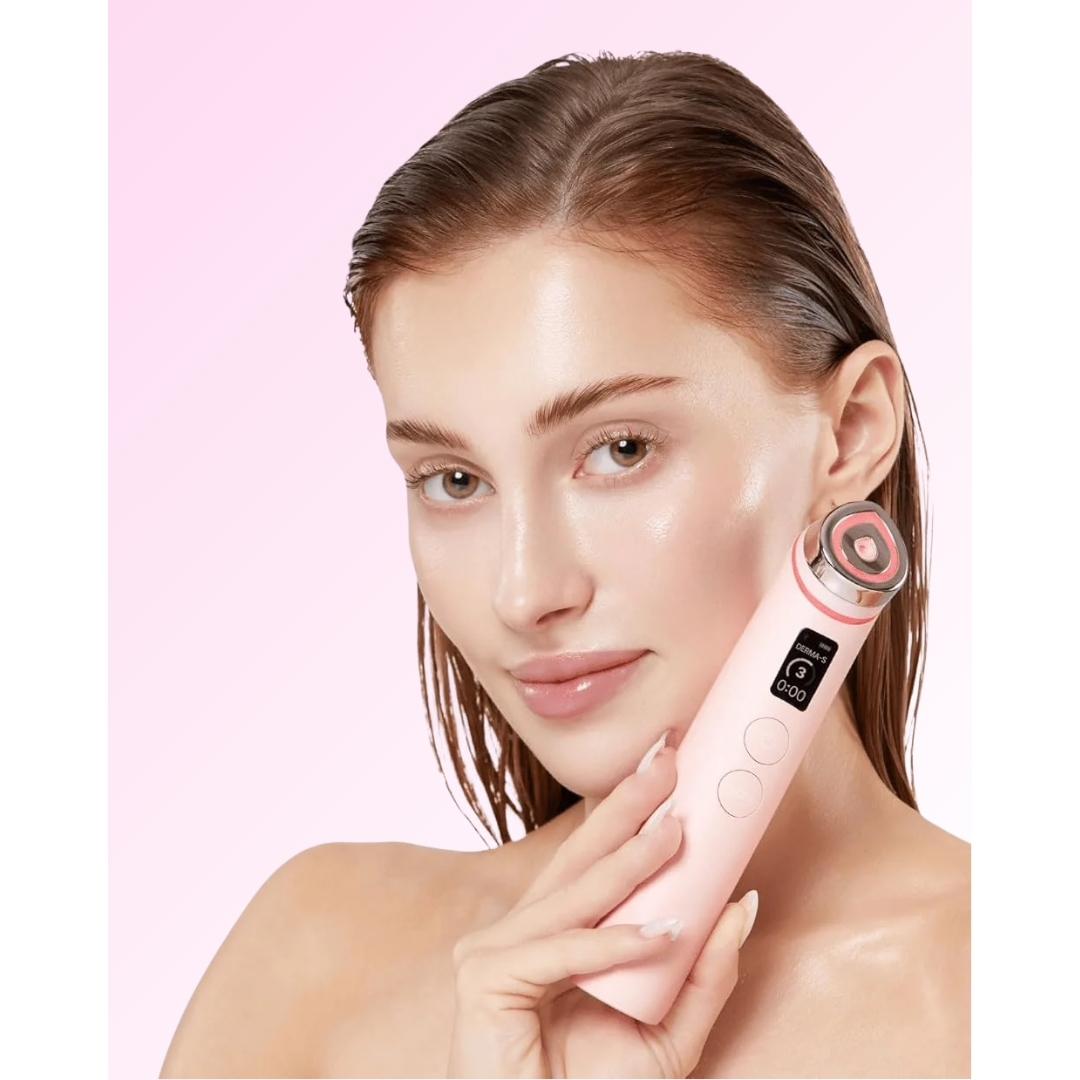
The brand introduced Age-R, its inaugural device line, in 2021. The tech in the range was designed to target ageing, pores, texture, and product absorption. But rather than treating devices as a category of their own, Medicube placed them right alongside its serums and creams, presenting the two as partners in the same results-focused routine.
Just two years later, the brand launched the Age-R Booster Pro, a heavy hitter combining several at-home skincare technologies in a single device — think electroporation, microcurrent, EMS, sonic vibration, and LED care.
Supported by the Medicube Age-R app (which helps users keep track of their settings and routines), it remained Medicube’s flagship device until its successor, the Booster Pro X2, arrived in 2026. The wider Age-R line, meanwhile, passed six million cumulative units sold worldwide in January 2026.
The Viral Moment
Medicube was already a bestseller back home, but its breakthrough in the US came in July 2023, when Hailey Bieber shared a TikTok of herself using one of the brand’s Age-R devices. By 2024, social feeds were filled with Medicube glass-skin-inspired routines that paired the Booster Pro with products such as the Collagen Jelly Cream and PDRN Pink Peptide Serum.
The brand capitalised on that growing attention by selling through TikTok Shop in the US, allowing shoppers to purchase its viral skincare and beauty devices directly through the app. In doing so, Medicube showed that, while many viral TikTok Shop products are affordable impulse buys, shoppers will still invest in premium, $200-plus beauty tech through a social app — provided they understand how it works and what results they can expect.
Virality cut both ways, though. In January 2025, a TikTok claiming the Booster Pro had caused nerve damage spread quickly, prompting Medicube to issue an official statement clarifying that the device does not cause Bell’s palsy, citing its low electrical output and clinical safety evaluations.
A key milestone came in March 2025, when Medicube became the first K-beauty brand to host a TikTok Shop Super Brand Day in the US. The event featured livestreams with beauty entrepreneur Michelle Phan and A-list make-up artist Sir John, who was also appointed Medicube’s creative director that month. It marked a more deliberate shift from social-media visibility to social commerce.
That same month, Glowland, the brand’s first Los Angeles pop-up, opened its doors. Kylie Jenner’s visit — followed by her paid-partnership TikTok featuring the Booster Pro — helped propel the device further into the mainstream. Celebrity exposure from the likes of Alix Earle, Khloé Kardashian, and Meghan Markle has only added to that momentum.
Going Global
In April 2025, Medicube made its major UK retail debut at Boots, launching initially online at boots.com before landing in selected stores.
A month later, the brand announced its first US retail partnership with Ulta Beauty, before arriving online at ulta.com and in more than 1,400 Ulta stores across the US in August.
Online, demand was reaching fever pitch: Medicube reportedly generated $22 million in sales in just four days during Amazon Prime Day 2025.
By the end of that same year, Medicube had become the first Korean indie beauty label to surpass 1 trillion won in single-brand annual sales — a milestone previously reserved for the bigger names owned by major beauty conglomerates. In fact, it finished 2025 on around 1.4 trillion won (roughly $960 million), overtaking K-beauty heavyweights Sulwhasoo and The Whoo.
Its retail reach kept growing into 2026, too, with Target, Walmart, and Sephora Europe all coming on board.
Next Stop: Coachella
Medicube’s move into the mainstream continued in April 2026, when it became the first K-beauty brand to officially sponsor the Coachella Valley Music and Arts Festival. Its experiential activation featured interactive karaoke lounges and device try-out zones, bringing the online world surrounding the brand to festival-goers in real life.
Medicube Today
Medicube is now available everywhere from the US and Australia to the UAE, and its lifetime sales are well past $1 billion. Its lineup has also come a long way since Red Line. The pore pads that first won fans over now sit alongside newer launches built around of-the-moment actives such as salmon-derived PDRN and exosomes. As for devices, every level of commitment is catered for, with the beginner-friendly Booster Pro Mini at one end and the latest Booster Pro X2 at the other.
Not bad for a brand that began with a four-step routine for breakouts. A decade on, there’s no sign of it slowing down.
Medicube is available in the UK at Space NK and amazon.co.uk, while US shoppers can find the brand at amazon.com and Target.